Agentic AI & the Feedback Flow
From Passive Insights to Autonomous Execution
aibizmod delivery
Strategy, implementation, launch, and support with one connected technical team.
What This Service Solves
Identifying the hurdles
Even when smart systems provide great predictive insights, executing the actual corrective work requires human managers to manually log in and bridge the gap. Teams waste countless hours manually jumping between different software platforms just to update timelines, initiate material requests, or log repetitive data. Traditional automated workflows are rigid; they run on strict rules that break down when real-world project variables change unexpectedly, limiting your operational scalability.
- The 'Human Middleware' bottleneck — even with great AI insights, executing work requires humans to manually bridge the gap
- Administrative context-switching — teams waste hours jumping between software platforms to update timelines and log data
- Static automation limits — traditional workflows break down when real-world variables change unexpectedly
Our approach & solution
We build Agentic AI systems — software entities capable of understanding a high-level goal, mapping out a multi-step execution plan, and using external software tools to achieve it. If a predictive model forecasts a delay, the Agentic AI can autonomously access your scheduling ecosystem, dynamically shift timelines, and notify the correct parties without manual input. These systems operate on a continuous loop — they Execute an action, Evaluate the real-world outcome data, and instantly Optimize their internal planning logic, ensuring the system becomes smarter and more resilient with every workflow it manages.
- Goal-oriented autonomous agents — software entities that understand high-level goals and map multi-step execution plans
- Cross-platform task execution — agents that access your scheduling, procurement, and communication tools autonomously
- The Feedback Flow — systems that Execute, Evaluate, and Optimize their planning logic with every workflow they manage
What This Service Includes
Autonomous Digital Agents
Autonomous Digital Agents
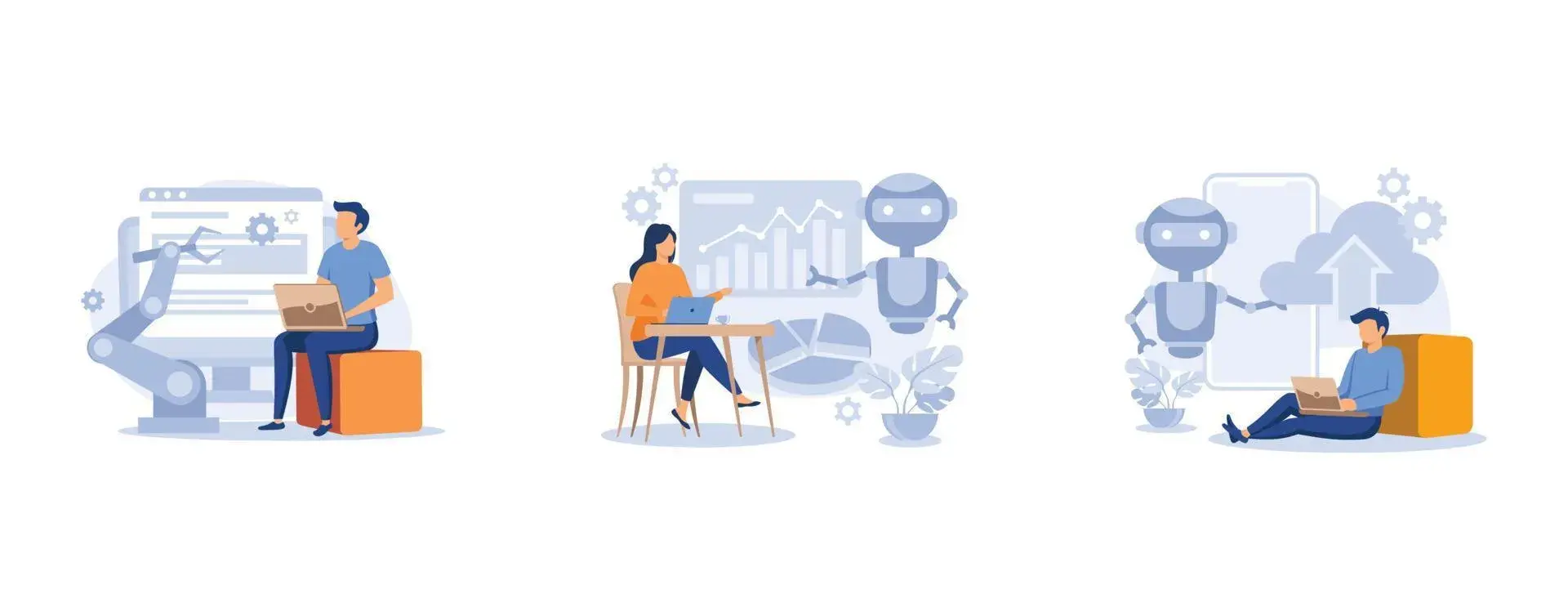
Build goal-oriented software entities capable of executing multi-stage administrative and logistical workflows with zero human overhead.
Cross-Platform Tool Integration
Cross-Platform Tool Integration
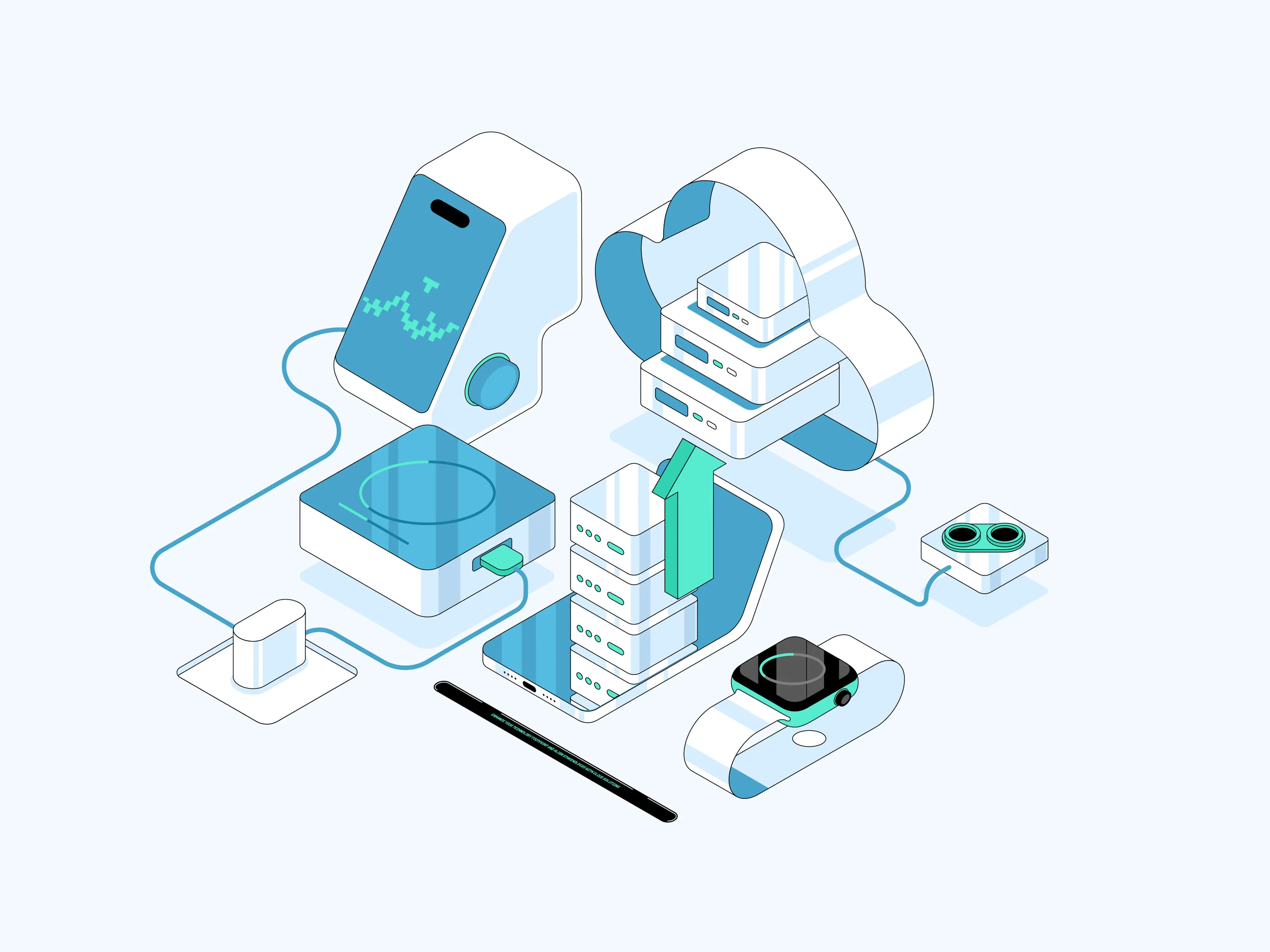
Connect autonomous agents securely to your existing software stack, databases, and third-party APIs so they can execute actions directly across systems.
Continuous Learning Loops (the Feedback Flow)
Continuous Learning Loops (the Feedback Flow)
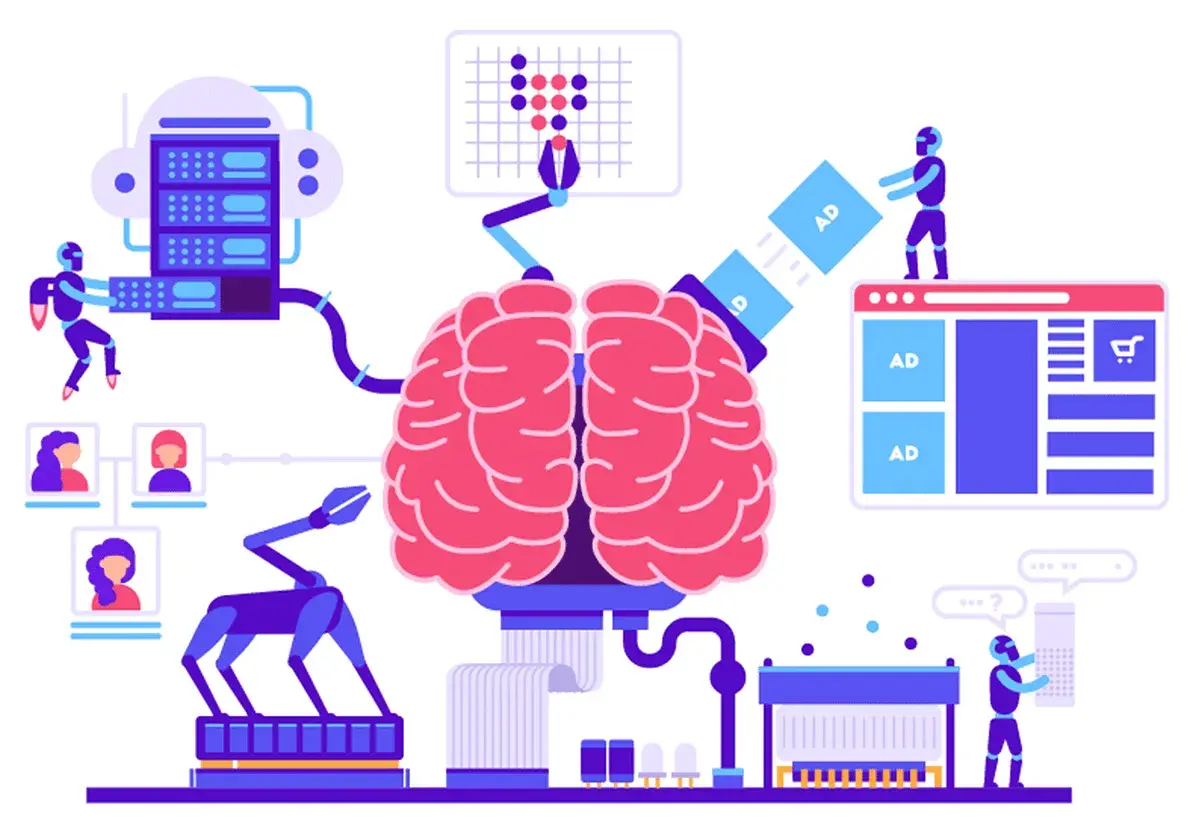
Deploy a self-correcting cycle where the agent Executes an action, Evaluates the real-world outcome data against operational targets, and instantly Optimizes its planning logic for subsequent tasks.
Human-in-the-Loop Oversight
Human-in-the-Loop Oversight
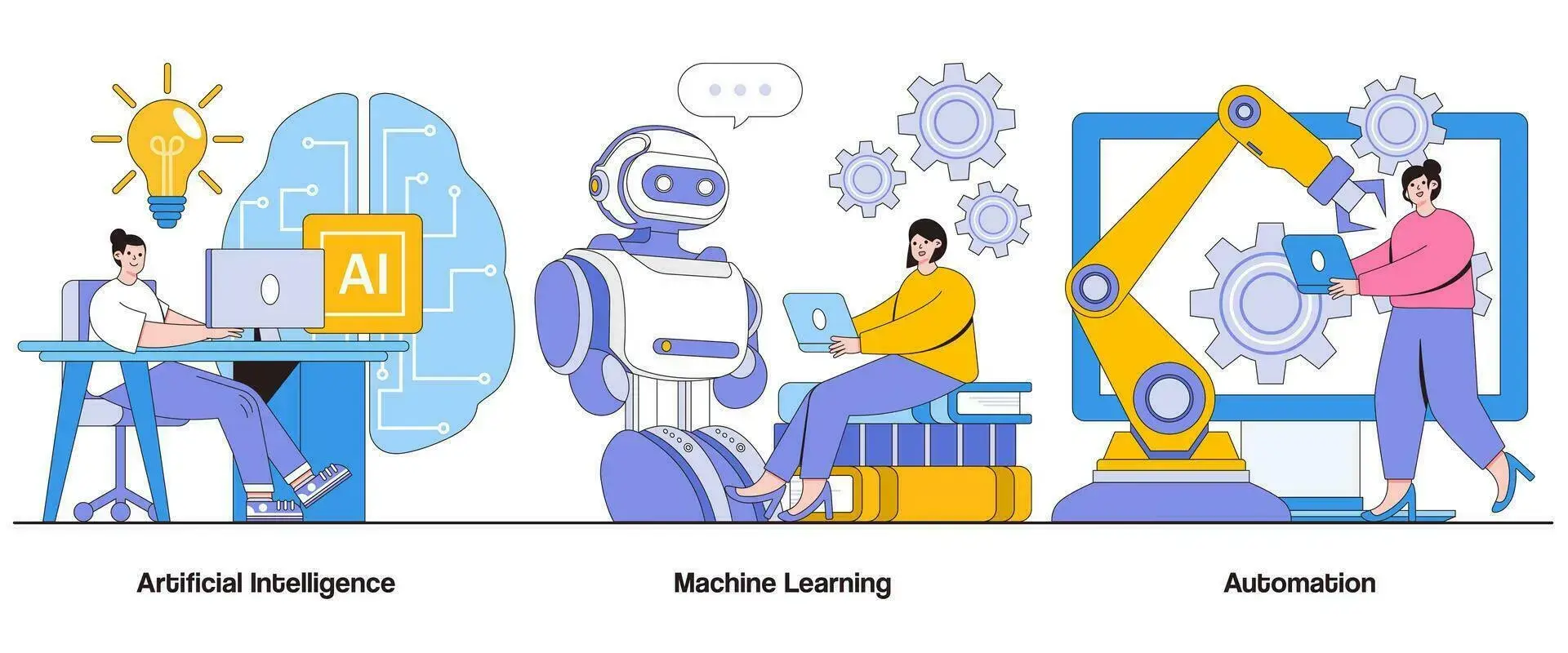
Integrate strict programmatic guardrails and human authorization touchpoints for high-priority executive or financial tasks, ensuring complete system safety.
Multi-Agent Orchestration
Multi-Agent Orchestration
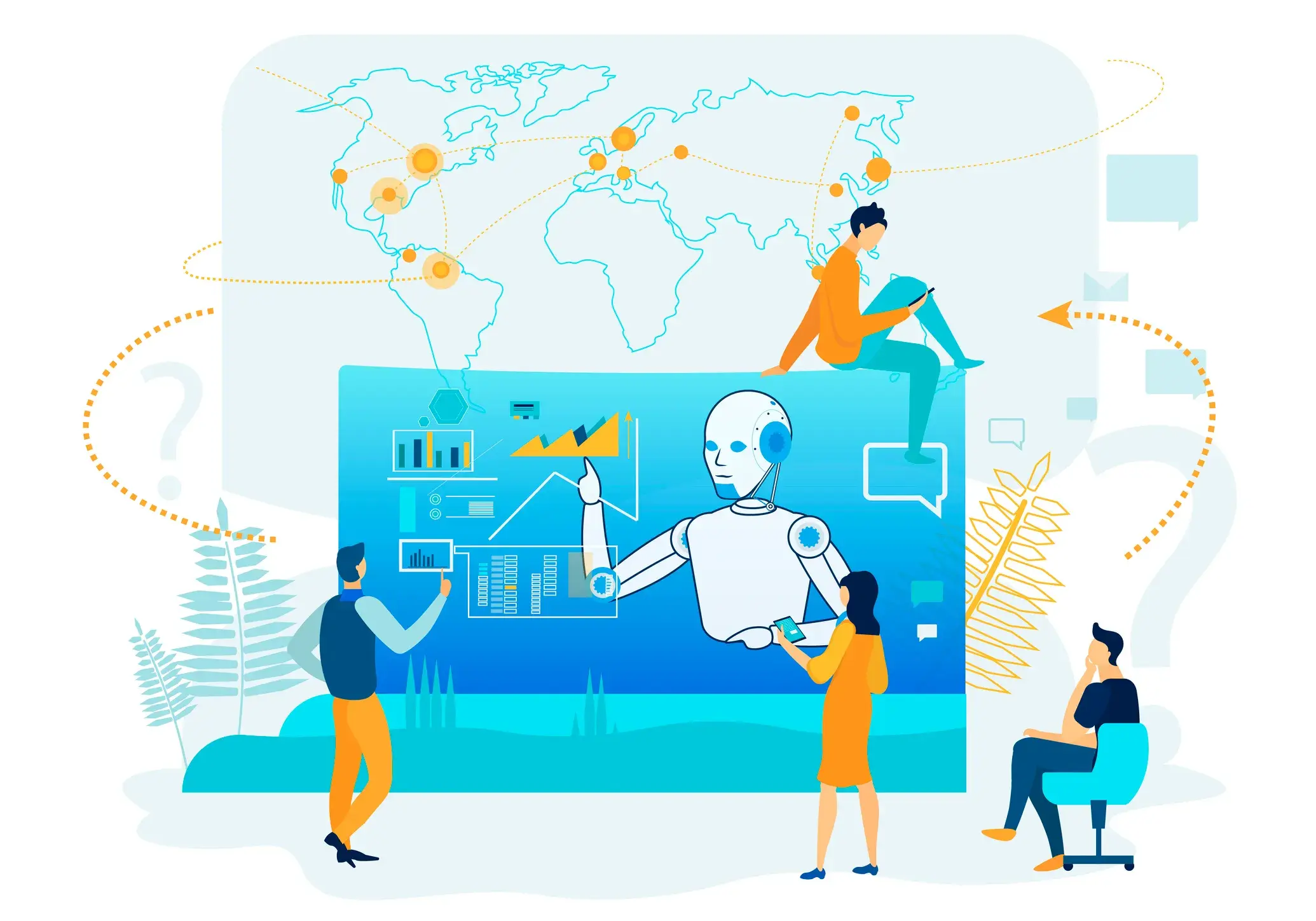
Collaborative agent systems where a manager agent splits complex objectives and routes sub-tasks to specialized worker agents.
Intelligent Exception Handling
Intelligent Exception Handling
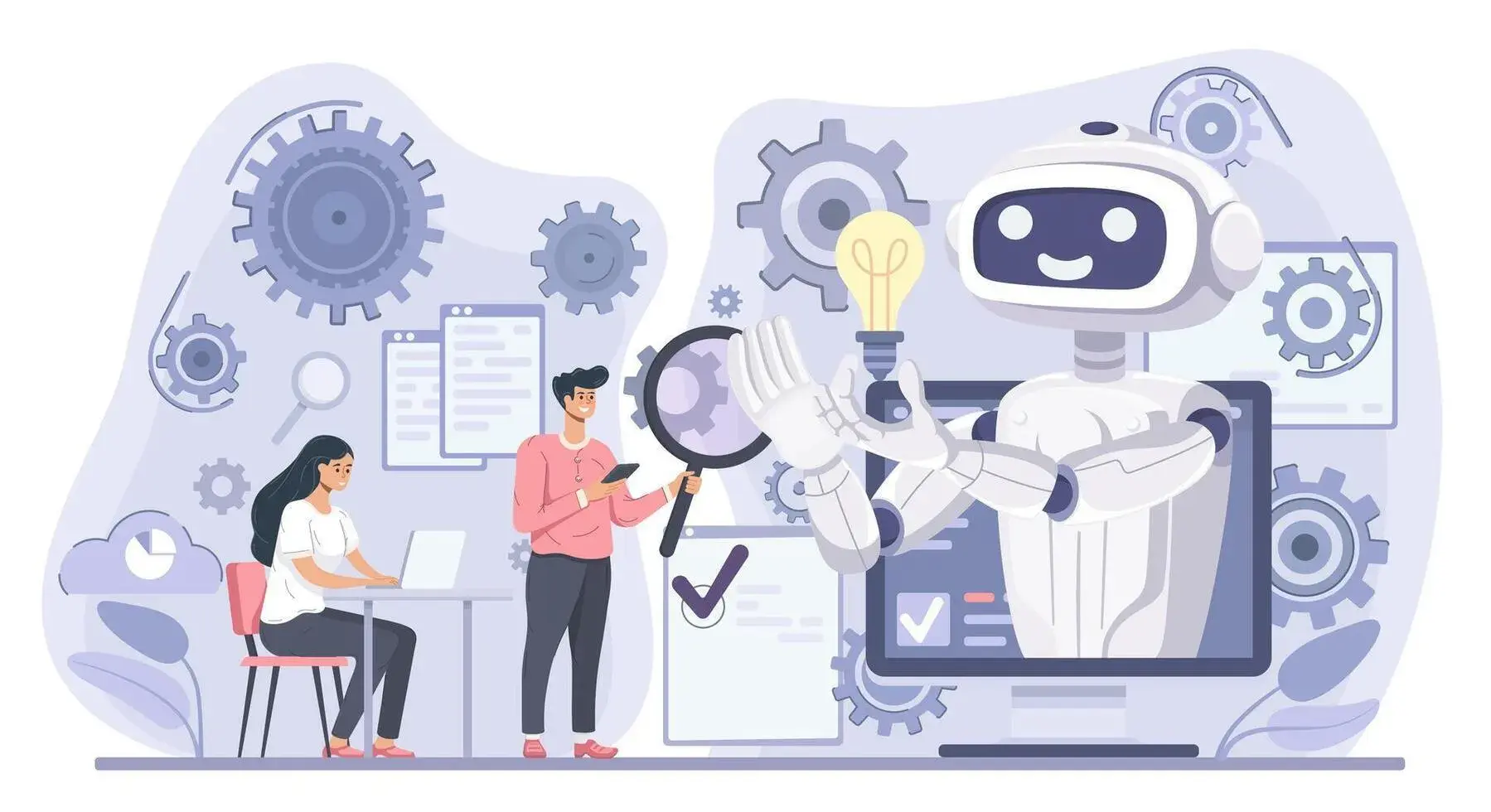
Self-correcting code that logs unexpected API errors, tries alternate routing paths, and alerts a human only when it cannot safely proceed.
How Businesses Use This
Real-world applications across industries — drag or click the cards to explore.


Autonomous Schedule Adjustment
When an AI model predicts a timeline delay due to severe weather, the autonomous agent logs into your project management suite, reschedules dependent tasks, and pushes notifications to subcontractors without human intervention.
Business Outcomes You Can Expect
Adaptive Learning at Scale
Utilize closed-loop feedback so the automation becomes more accurate and efficient with every project iteration.
Complete Auditability
Log every agent decision, action, and API call in detail, giving you a searchable history for compliance and performance reviews.
Zero Administrative Bottlenecks
Run actions the minute data is generated rather than waiting for a team member to manually read an email, verify a field, and log the change.
Exponential System Resiliency
Deploy systems that automatically optimize, error-correct, and learn from execution failures, guaranteeing that your automated back-office becomes increasingly robust as your operation scales.
True Real-Time Operational Agility
Enable your software workflows to dynamically adapt, route materials, and alter logistical schedules the exact minute a project variable fluctuates on the field.
Unprecedented Team Leverage
Free your management teams from serving as 'human middleware' between disjointed tech tools, shifting their hours from administrative context-switching to high-impact problem-solving.
Questions Before We Start
A Few Things Clients Usually Ask
Find answers to common questions about Agentic AI & the Feedback Flow solutions, setup procedures, scoping timelines, and deliverables.
What prevents an autonomous AI agent from making a costly mistake, like sending an incorrect purchase order to a vendor?
Absolute control rests with you through our Human-in-the-Loop (HITL) guardrails. While agents can completely automate low-risk administrative workflows (like updating an internal schedule grid), high-priority financial, legal, or logistical actions require a human supervisor's approval. The agent does the legwork, drafts the request, and displays it on your dashboard—but nothing is executed until you click 'Approve.'
What happens if an agent encounters an unexpected error or a software API breaks mid-task?
Our systems are built on a strict 'Feedback Flow' architecture. If an agent tries to execute a command and receives a system error, it doesn't just crash. It logs the failure state, evaluates alternative routing paths, and attempts self-correction. If it cannot safely resolve the issue within your programmatic parameters, it immediately halts execution, flags the exact bottleneck, and hands off the task to a human operator.
How do AI agents actually interact with our separate software tools?
Agents act as secure digital workers. They connect to your existing enterprise tools (ERPs, project management suites, CRM platforms, and databases) via secure, encrypted Application Programming Interfaces (APIs). They read and write data across these platforms following the exact operational rules and security permissions you configure.
How is Agentic AI different from traditional workflow automation?
Traditional automation follows rigid, predefined scripts and breaks as soon as a file format changes or a field is missing. Agentic AI uses language model reasoning to understand the goal of a task, adapt to unexpected changes, and resolve simple errors autonomously, making it far more flexible than simple rule-based automation.