Customer Intelligence
aibizmod delivery
Strategy, implementation, launch, and support with one connected technical team.
What This Service Solves
Identifying the hurdles
Most businesses collect customer data but cannot easily analyse it. Transactional data is in one system, support data is in another, and behavioural data from the website or app is in a third. There is no combined view. Leadership makes decisions about customer strategy based on incomplete reports and intuition rather than a clear picture of what the data actually shows.
- Customer data fragmented across CRM, support, billing, and analytics tools with no unified view
- No way to identify which customers are at risk of churning until they have already left
- Retention and loyalty decisions made without data on what is actually driving or reducing them
- Marketing and CX teams using different definitions of customer segments, leading to conflicting decisions
Our approach & solution
We consolidate your customer data sources, build the segmentation models that matter for your business, and deliver the dashboards and alerts that make the insight actionable. The output is a clear, shared understanding of who your customers are, how they are behaving, and what requires action.
- Unified customer data model pulling from CRM, support, and behavioural sources
- Cohort analysis and RFM segmentation to identify high-value and at-risk customers
- Churn risk scoring based on your actual engagement and purchase patterns
- Dashboards configured for marketing, CX, and leadership with the metrics each team needs
What This Service Includes
Customer Segmentation
Customer Segmentation
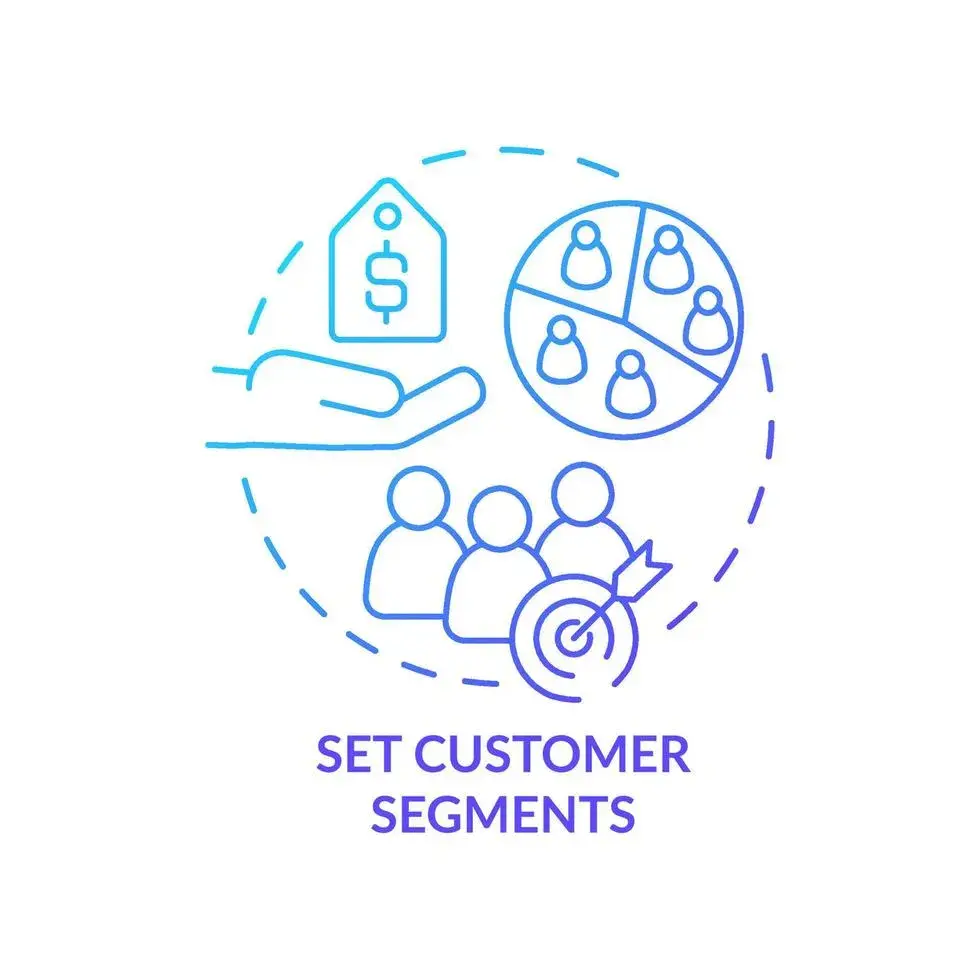
Build RFM (Recency, Frequency, Monetary) and behavioural segments that reflect how your customers actually differ in value and lifecycle stage.
Churn Risk Modelling
Churn Risk Modelling
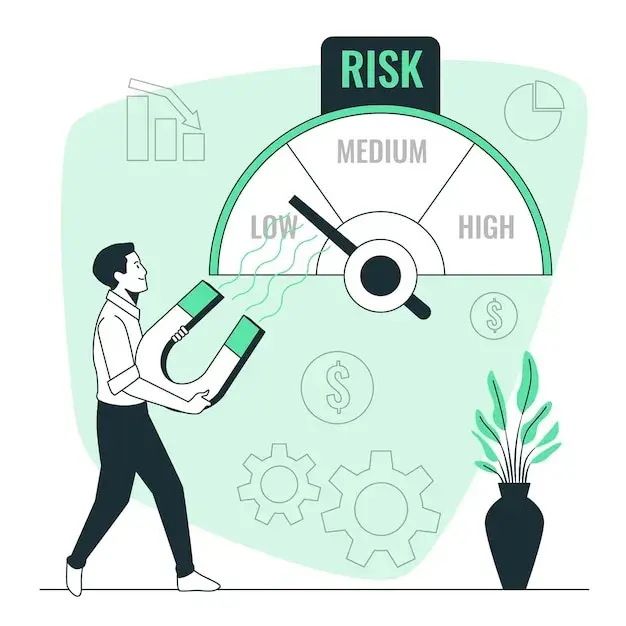
Identify customers showing early signs of disengagement using behavioural signals, so retention campaigns can be triggered before accounts are lost.
Cohort Analysis
Cohort Analysis
Track how customer groups acquired in different periods perform over time, revealing which acquisition channels and campaigns produce the highest long-term value.
Data Consolidation
Data Consolidation
Combine customer records from CRM, helpdesk, e-commerce, and analytics tools into a single dataset that can be queried and reported on consistently.
Customer Lifetime Value Reporting
Customer Lifetime Value Reporting
Build CLV models that project long-term revenue per customer segment, informing decisions about acquisition spend, retention investment, and product prioritisation.
Retention Tracking Dashboards
Retention Tracking Dashboards
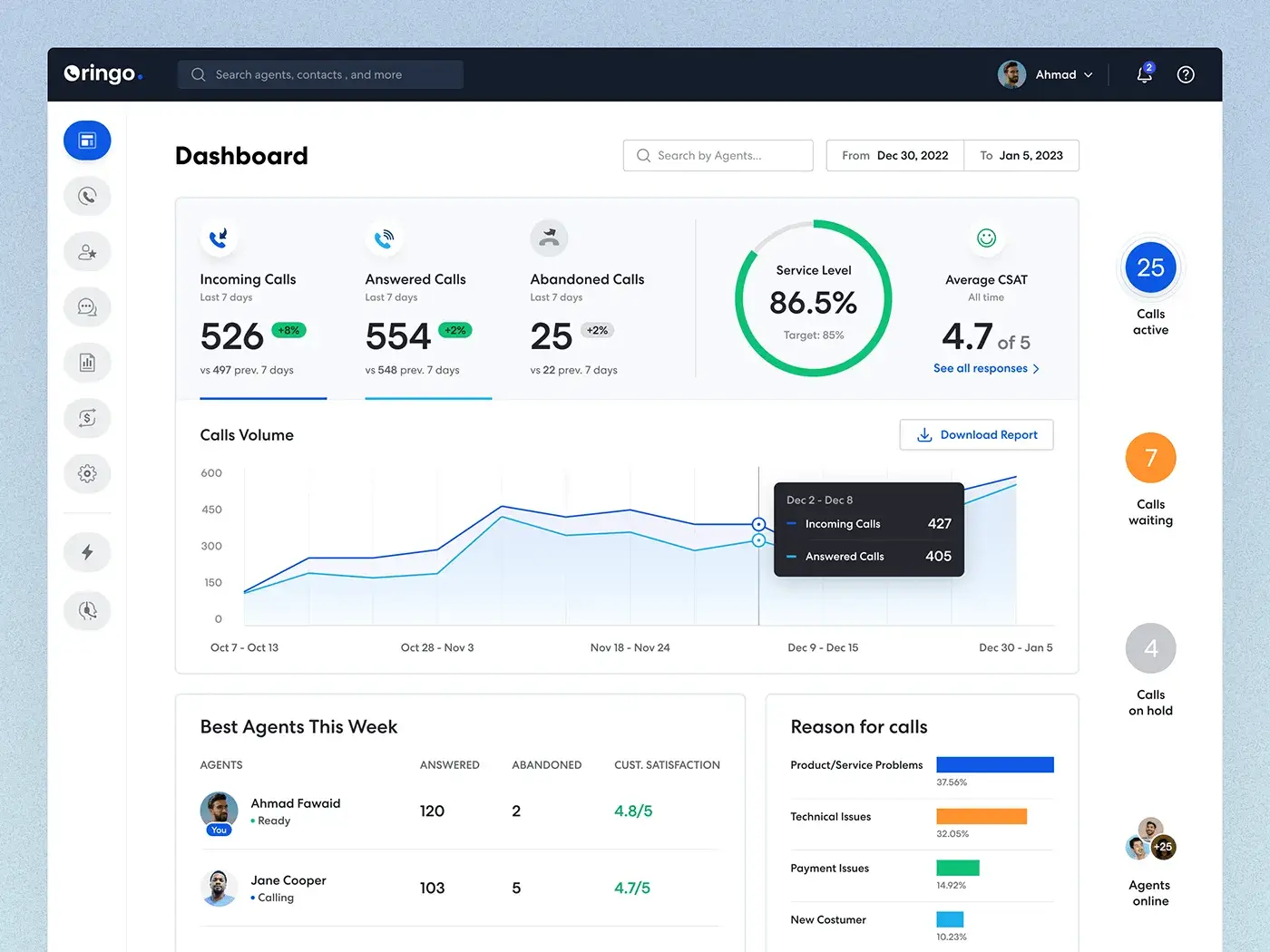
Dashboards monitoring customer retention, churn rate, NPS trend, and satisfaction scores in one place, updated automatically from your data sources.
How Businesses Use This
Real-world applications across industries — drag or click the cards to explore.


Churn Prediction for SaaS Platform
A SaaS company built a churn risk model using login frequency, feature adoption, and support ticket data, enabling their customer success team to intervene with at-risk accounts 30 days before likely cancellation.
Business Outcomes You Can Expect
Single Source of Truth
A unified customer dataset removes the argument about whose numbers are right and gives the entire organisation a consistent baseline for customer performance discussions.
Evidence-Based Retention Decisions
Knowing which satisfaction drivers are most correlated with retention lets you prioritise operational and product improvements where they will have the greatest effect on customer behaviour.
Acquisition Quality Assessment
Cohort analysis reveals which channels and campaigns are acquiring customers who actually stay and spend, rather than just those with the lowest initial cost per acquisition.
Shared Definition of Segments
When marketing and CX work from the same segmentation model and data source, decisions are consistent rather than based on different interpretations of the same underlying data.
Resource Directed at High-Value Customers
Segmentation makes it clear which customers generate disproportionate value, so retention investment and service quality can be concentrated where it has the most impact.
Early Warning on Churn
Behavioural signals surface accounts showing disengagement weeks before they cancel or lapse, giving the team a realistic window to intervene.
Questions Before We Start
A Few Things Clients Usually Ask
Find answers to common questions about Customer Intelligence solutions, setup procedures, scoping timelines, and deliverables.
What data do you need to build a churn risk model?
The most useful inputs are engagement signals specific to your product or service — login frequency for a SaaS product, purchase recency for a retailer, visit frequency for a hospitality business. You also need historical outcome data: which customers did and did not churn over a comparable past period. We assess what you have available during scoping and confirm whether a predictive model is feasible or whether a rules-based scoring approach is more appropriate given the data.
Do you build dashboards we can run ourselves, or does this require ongoing analyst involvement?
We build dashboards in tools your team can maintain independently — Looker Studio, Tableau, or Power BI. After the build and a handover session, you own the dashboards and can update filters, date ranges, and views without needing us. Where the underlying data model needs structural changes, that requires developer involvement, but day-to-day use is self-service.
How do you consolidate data from multiple systems?
We typically use a data warehouse like BigQuery or a customer data platform like Segment, with connectors to your CRM, support tool, e-commerce platform, and analytics tools. Records are joined on a common customer identifier — usually email address or an internal ID. We handle deduplication and data quality checks as part of the build.
Can you define segments based on our specific business logic?
Yes. Standard frameworks like RFM are a useful starting point, but the most actionable segments are ones defined by your actual business model. For a subscription business that means different things than for a transactional retailer. We work with your team to define the segments that map to decisions you actually want to make, not generic categories.