Customer Support Systems
aibizmod delivery
Strategy, implementation, launch, and support with one connected technical team.
What This Service Solves
Identifying the hurdles
Support teams managing customer queries through shared email inboxes have no visibility into who owns a query, what the status is, or how long it has been open. Requests get missed, duplicated, or answered inconsistently. There is no record of what was agreed, no way to report on response times, and no mechanism to flag recurring issues back to the product or operations team.
- Support queries handled through shared email inboxes with no ownership or status tracking
- No first-response time data, so SLA performance is unknown and unmanageable
- Agents answering the same questions from scratch without access to a knowledge base
- Escalations handled informally with no audit trail of what was communicated and when
Our approach & solution
We implement helpdesk and ticketing platforms configured for your support team structure, including triage rules, SLA settings, escalation paths, and a knowledge base so agents handle queries faster and customers get consistent answers.
- Ticketing system configured with triage rules, queues, and ownership assignment
- SLA policies and priority rules so high-urgency requests are always surfaced
- Knowledge base setup with articles mapped to common query types
- Reporting dashboards covering response time, resolution rate, and CSAT
What This Service Includes
Helpdesk Implementation
Helpdesk Implementation
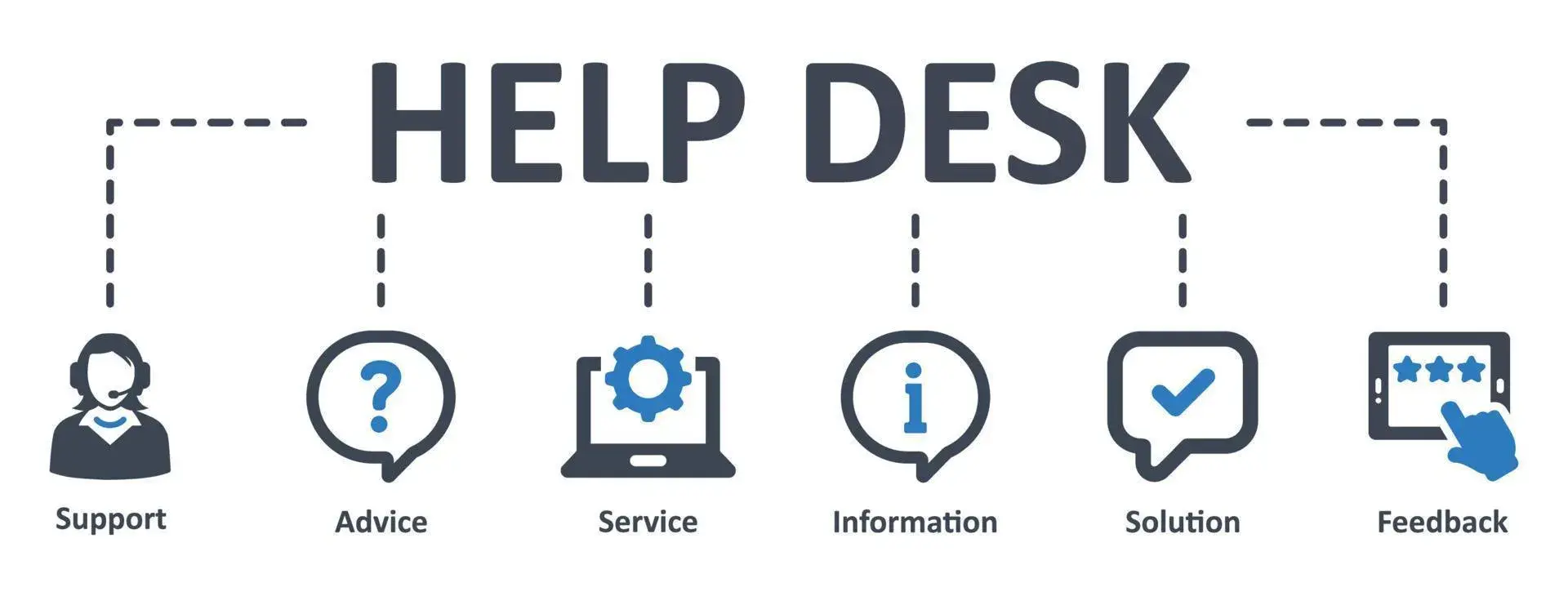
Set up Zendesk, Freshdesk, or HubSpot Service Hub with the ticket structure, queues, and routing rules that match how your support team operates.
Live Chat Configuration
Live Chat Configuration

Deploy and configure live chat on your website or app, with routing logic, business hours, fallback handling, and integration with your ticketing system.
Knowledge Base Setup
Knowledge Base Setup
Build a structured knowledge base with articles covering your most common support queries, formatted for both customer self-service and agent reference.
SLA and Escalation Rules
SLA and Escalation Rules

Configure response time targets, priority levels, and escalation paths so urgent issues are always routed correctly and SLA breaches are flagged before they occur.
Multi-Channel Support Configuration
Multi-Channel Support Configuration
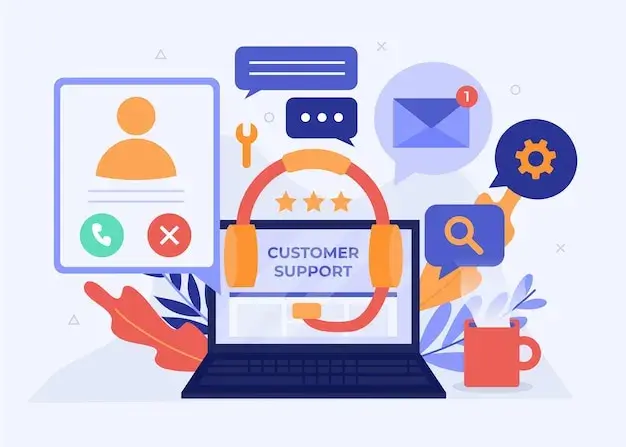
Unify email, live chat, social, and phone contact into a single ticketing queue so agents have a complete picture regardless of how the customer contacted you.
Support Reporting Setup
Support Reporting Setup

Build dashboards covering ticket volume, first response time, resolution time, agent workload, and customer satisfaction scores for management visibility.
How Businesses Use This
Real-world applications across industries — drag or click the cards to explore.


Zendesk Implementation for Online Retailer
A growing e-commerce brand replaced a shared Gmail inbox with Zendesk, reducing average first response time from 18 hours to under 3 hours within the first month.
Business Outcomes You Can Expect
Full Audit Trail
Every communication, escalation, and resolution step is logged in the ticketing system, creating a defensible record for complaints, disputes, or regulatory enquiries.
Scalable Without Proportional Headcount
Self-service knowledge bases and chat deflection reduce ticket volume, so support capacity scales more efficiently than a one-agent-per-X-customers model.
Measurable Support Performance
Response time, resolution rate, and customer satisfaction data allow you to manage support as a measurable function rather than an opaque operational cost.
Consistent Customer Responses
Knowledge base articles and response templates ensure customers get accurate, consistent answers regardless of which agent handles their query.
Nothing Falls Through
Every query becomes a ticket with an owner, a status, and a due date. Items cannot be lost, forgotten, or indefinitely delayed without a visible SLA breach.
Queries Get Resolved Faster
A structured ticketing system with SLA rules and a knowledge base reduces average resolution time by removing the back-and-forth of unstructured inbox management.
Questions Before We Start
A Few Things Clients Usually Ask
Find answers to common questions about Customer Support Systems solutions, setup procedures, scoping timelines, and deliverables.
Which helpdesk platform do you recommend for a small support team?
For teams under 10 agents, Freshdesk's free tier or HubSpot Service Hub's Starter plan offer solid foundations without cost overhead. Zendesk is a strong choice if you anticipate growth and need more sophisticated automation and reporting. Intercom is the right fit if you are primarily running chat-based support on a web app or SaaS product. We recommend based on your channel mix and expected volume.
How do you handle migration from a shared email inbox to a helpdesk?
We configure the helpdesk to pull in emails from your existing support address so there is no disruption during the transition. Existing open queries can be imported as tickets. The changeover is transparent to customers — they continue emailing the same address.
Can the helpdesk integrate with our existing CRM?
Yes. Most major helpdesk platforms have native integrations with Salesforce, HubSpot, and Zoho, so ticket data and customer history are shared between systems. Where native integration is limited, we use Zapier or direct API connections.
How long does it take to build and populate a knowledge base?
A foundational knowledge base covering the top 20 to 30 customer queries typically takes one to two weeks to structure and write. We work with your support team to identify the most common queries and draft the articles, then hand over for review and approval. Ongoing content is managed by your team after handover.