Database Services
aibizmod delivery
Strategy, implementation, launch, and support with one connected technical team.
What This Service Solves
Identifying the hurdles
Databases are the bottleneck in most application performance problems. Slow queries, missing indexes, and poorly configured connection pooling degrade application response times at scale. Database backups are configured once and then not validated. Schema migrations are run in production without testing, causing downtime. These are all preventable problems with the right setup and ongoing administration.
- Application performance degrading as data volume grows due to missing indexes and inefficient queries
- Database backups configured but never tested, providing false confidence in recovery capability
- No connection pooling, causing connection exhaustion under load
- Schema migrations run directly in production without staging validation
Our approach & solution
We assess your current database setup, identify performance bottlenecks and configuration gaps, and implement the changes needed to make your database layer reliable and performant. We also configure monitoring, backup validation, and the migration processes that keep schema changes safe.
- Query analysis and indexing strategy to address the most significant performance bottlenecks
- Connection pooling configuration appropriate to your application's concurrency pattern
- Backup validation with documented restore procedures tested against a real recovery
- Staging environment and migration process to test schema changes before they reach production
What This Service Includes
Database Hosting Setup
Database Hosting Setup
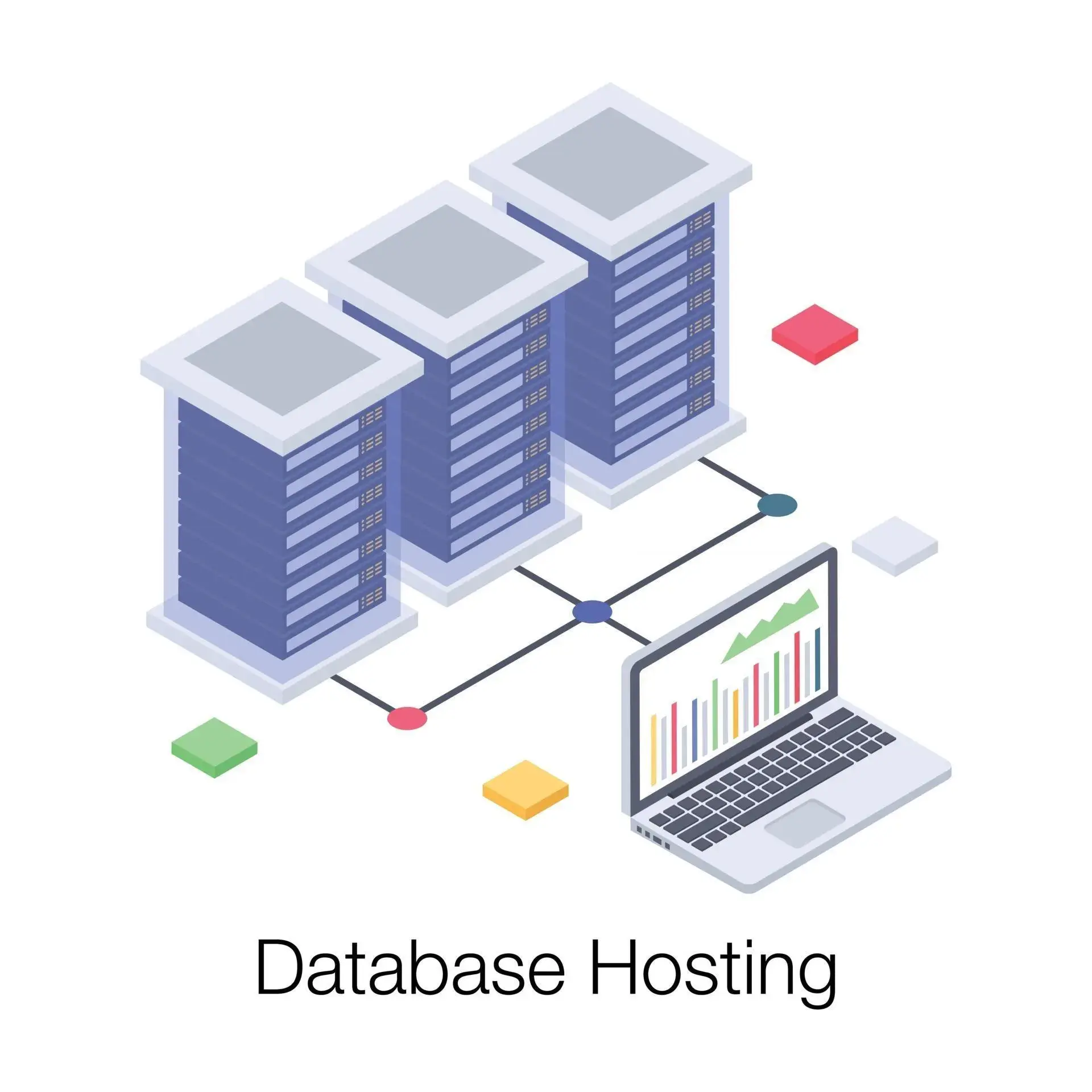
Configure managed database instances on AWS RDS, Google Cloud SQL, or DigitalOcean Managed Databases, or self-hosted PostgreSQL and MySQL on your own infrastructure.
Query Performance Optimisation
Query Performance Optimisation

Analyse slow query logs, identify missing or inefficient indexes, and rewrite problematic queries to reduce query execution time and database load.
Database Administration
Database Administration
Ongoing database administration covering backup management, user and permission management, version upgrades, and routine maintenance tasks.
Database Security Configuration
Database Security Configuration
Configure database access controls, network exposure restrictions, encryption at rest and in transit, and audit logging for sensitive data stores.
Database Migration
Database Migration
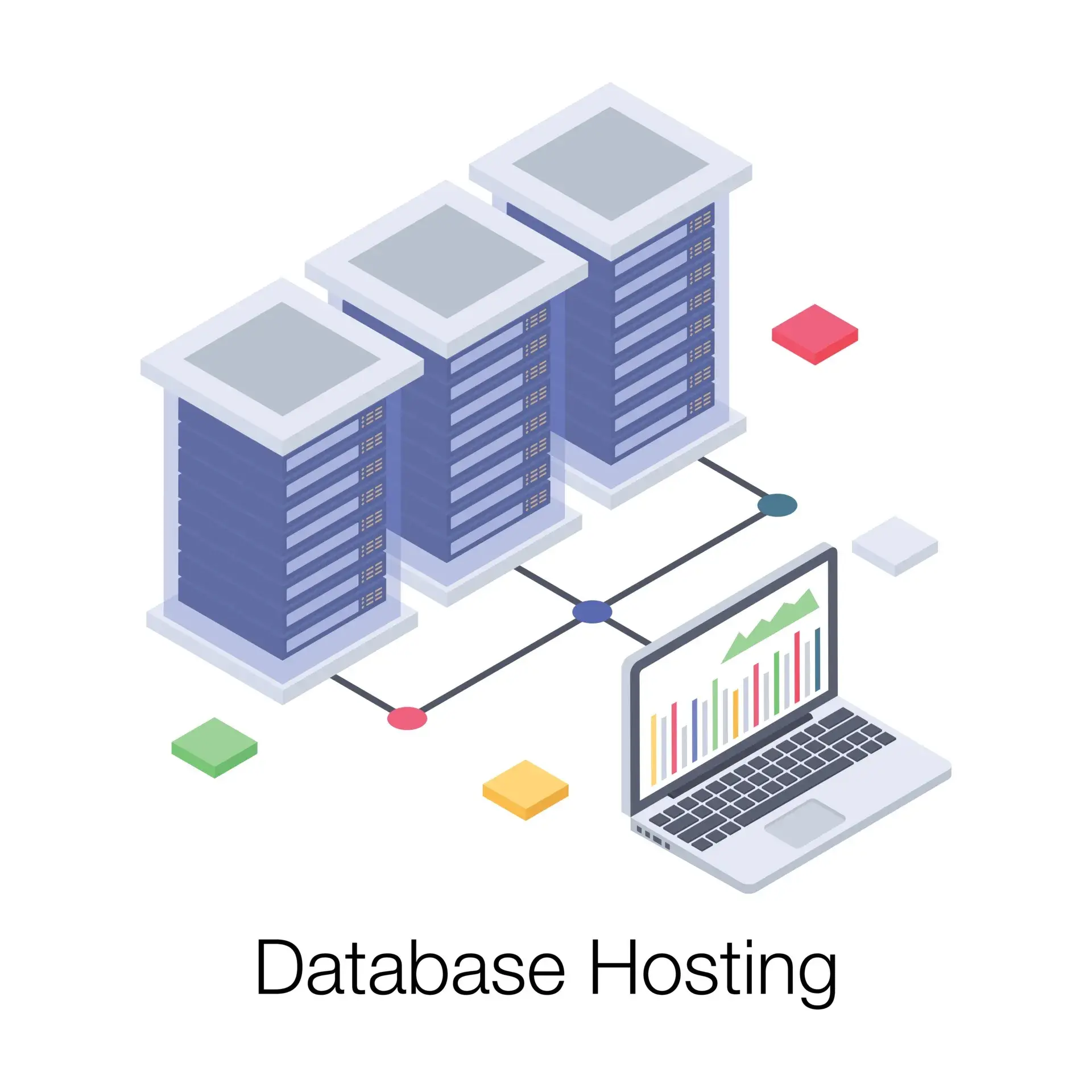
Migrate databases between platforms or versions with minimal downtime, including data validation, cutover planning, and rollback procedures.
Replication and High Availability
Replication and High Availability
Configure read replicas, failover instances, or multi-region replication for applications that need higher availability or read scalability beyond a single database instance.
How Businesses Use This
Real-world applications across industries — drag or click the cards to explore.


Query Optimisation for a Slow Application
A SaaS application's response times degraded as the customer database grew. Slow query log analysis identified five queries lacking appropriate indexes, adding them reduced average API response time from 800ms to 120ms.
Business Outcomes You Can Expect
High Availability for Critical Applications
Replication and automatic failover configuration provides continuity for applications where database downtime has immediate business impact.
Reduced Operational Risk
Proper access controls, encrypted connections, and network restriction reduce the risk of unauthorised data access or exposure from a misconfigured database endpoint.
Safe Schema Changes
A staging environment and migration process that tests schema changes before production removes the risk of a migration causing downtime or data integrity issues.
Stable Under Load
Connection pooling and resource configuration that is tuned for your application's concurrency pattern prevents the connection exhaustion and lock contention that causes instability under high traffic.
Validated Recovery Capability
Tested backup and restore procedures confirm that your data can actually be recovered within a defined timeframe rather than leaving recovery as an untested assumption.
Faster Application Response Times
Query optimisation and correct indexing strategy address the database layer as the most common source of application performance problems at scale.
Questions Before We Start
A Few Things Clients Usually Ask
Find answers to common questions about Database Services solutions, setup procedures, scoping timelines, and deliverables.
Should we use a managed database service or self-host our database?
Managed services like AWS RDS, Google Cloud SQL, or DigitalOcean Managed Databases handle backups, patching, minor version upgrades, and multi-AZ failover automatically. For most businesses this is the right choice because the operational overhead of managing these aspects yourself outweighs the cost premium. Self-hosted databases are appropriate when you need specific configurations that managed services do not support, or when data sovereignty requirements prohibit using a managed cloud provider.
How do you identify and fix slow queries?
We start by enabling slow query logging at your database layer with an appropriate threshold — typically queries taking more than 100ms. We then analyse the log to identify the queries with the highest total execution time (frequency multiplied by duration), review the query execution plans using EXPLAIN or EXPLAIN ANALYZE, and add or modify indexes to reduce full table scans. We measure query times before and after each change to confirm improvement.
What is connection pooling and do we need it?
Connection pooling maintains a pool of open database connections that application instances share, rather than each application instance opening its own connection. This becomes necessary when you have many concurrent users because databases have limits on simultaneous connections. If your application uses a framework that opens a connection per request and you are seeing connection errors under load, connection pooling is likely the fix.
How do you handle database migrations without downtime?
For most schema changes — adding a column, adding an index — zero-downtime migrations are possible with the right approach. Adding a nullable column and backfilling it is safe while the application is running. Dropping a column requires a deployment that stops reading it first. Renaming a column requires an expand-contract migration across two deployments. We assess each migration individually and design the approach before executing it.