Security
aibizmod delivery
Strategy, implementation, launch, and support with one connected technical team.
What This Service Solves
Identifying the hurdles
Security often gets set up once and then forgotten about rather than an ongoing discipline. Default configurations are left in place, security headers are left empty, and backups are never actually tested, and disaster recovery plans only exist on paper and are never dry-run. Most teams only notice these gaps after a breach or ransomware attack, or catastrophic data loss event forces them into a recovery scenario they were not prepared for.
- Open default server settings, default logins, and unnecessary services running
- Auto-backups running without regular restore tests
- No written playbook, leaving the team to guess what to do in a crisis under pressure
- Outdated packages and missing security headers exposing server files exposure
Our approach & solution
We conduct infrastructure security audits to identify current vulnerabilities, implement the fixes required to close them, and set up the backup and disaster recovery infrastructure that gives your business a realistic path to recovery from a serious incident.
- Audits checking server hardening and packages, dependency vulnerabilities, and access controls
- Encrypted offsite auto-backups with tested restore procedures procedures
- Disaster recovery plans with clear step-by-step restoration and tested failover procedures
- SSL settings and security headers with uptime monitoring
What This Service Includes
Infrastructure Security Audit
Infrastructure Security Audit
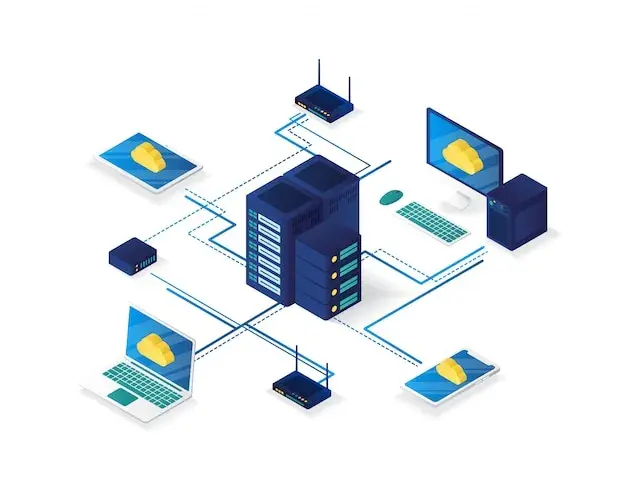
Systematic review of server configuration, network exposure, access controls, software versions, and security header configuration with a prioritised remediation report.
Server Hardening
Server Hardening

Apply security hardening baseline covering firewall rules, SSH key-only access, disabling unnecessary services, OS patch status, and user privilege review.
Backup Solutions
Backup Solutions

Configure automated backup schedules for databases and file systems with encrypted offsite storage and documented recovery procedures that are tested against real restore scenarios.
Disaster Recovery Planning
Disaster Recovery Planning
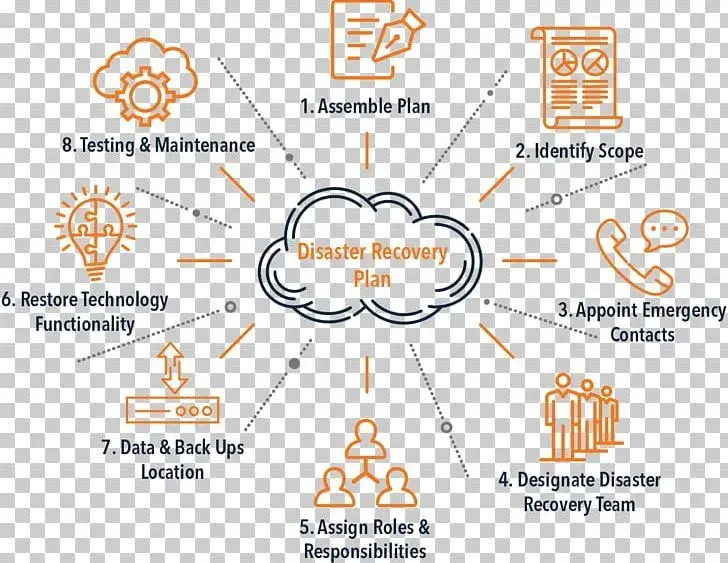
Define recovery time objectives, document recovery procedures, configure failover infrastructure, and run tabletop or live exercises to validate the plan works in practice.
SSL and Security Headers
SSL and Security Headers
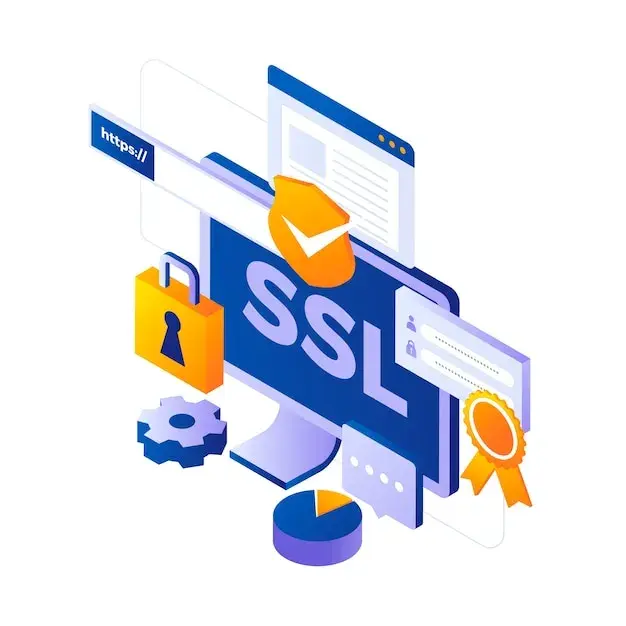
Implement SSL certificates, HSTS, Content Security Policy, X-Frame-Options, and other security headers, with ongoing monitoring for certificate expiry and configuration regression.
Vulnerability Scanning
Vulnerability Scanning
Run automated vulnerability scans against your infrastructure and application surface, with triaged findings and a remediation plan prioritised by risk severity.
How Businesses Use This
Real-world applications across industries — drag or click the cards to explore.


Pre-Audit Security Remediation
A financial services firm needed to pass a third-party security audit. Our pre-audit assessment identified 14 findings across server hardening, dependency vulnerabilities, and access controls, all resolved before the formal audit.
Business Outcomes You Can Expect
Investor and Compliance Readiness
Documented security controls, DR plans, and audit logs are increasingly required in due diligence processes and compliance assessments. Having them in place in advance avoids last-minute remediation.
Browser Security Compliance
Properly configured security headers prevent common attack vectors including clickjacking, cross-site scripting, and insecure resource loading — and improve browser security assessments.
Reduced Attack Surface
Server hardening closes the common entry points that automated scanners and opportunistic attackers exploit — default credentials, open ports, and outdated software versions.
Documented Recovery Path
A tested disaster recovery plan means your team knows exactly what to do in a serious incident rather than improvising under pressure, reducing recovery time and business impact.
Backups That Can Actually Be Restored
Tested backup and restore procedures mean data loss from a serious incident is recoverable within a defined timeframe rather than being an untested assumption.
Known Vulnerabilities Closed
A systematic security audit identifies the specific gaps in your infrastructure configuration so they can be addressed before they are exploited.
Questions Before We Start
A Few Things Clients Usually Ask
Find answers to common questions about Security solutions, setup procedures, scoping timelines, and deliverables.
What does a security audit cover and how long does it take?
A standard infrastructure security audit covers server configuration hardening status, open port and service exposure, SSL and TLS configuration, security header implementation, software dependency versions and known CVEs, access control review, and backup configuration. It typically takes three to five days to complete and produces a prioritised findings report. We triage findings by severity so you know which to address first.
What is the difference between a backup and a disaster recovery plan?
A backup is a copy of your data stored somewhere separate from your production system. Disaster recovery planning covers the full set of procedures needed to restore operations after a serious incident — it uses backups as one input but also covers which systems need to be restored in what order, what the acceptable recovery time is, and who does what in a recovery scenario. A DR plan without tested backups is not meaningful, and tested backups without a DR plan leave your recovery process undefined.
How often should security audits be repeated?
For most businesses, an annual security audit is a minimum. Audits should also be triggered by significant infrastructure changes — migrating to new hosting, deploying new applications, or adding new team members with system access. Continuous vulnerability scanning is a complement to periodic audits, not a replacement.
Do you provide penetration testing as part of security services?
Our security audit service covers infrastructure configuration review and vulnerability scanning, which addresses the most common gaps. Full penetration testing requires a different engagement with a specialist pen testing team and explicit written authorisation. We can recommend suitable providers for this if it is required for compliance purposes.