Digital Transformation Consulting
aibizmod delivery
Strategy, implementation, launch, and support with one connected technical team.
What This Service Solves
Identifying the hurdles
Many businesses know they need to modernise their technology but cannot get past the question of where to start. Technology decisions are made reactively in response to immediate problems rather than as part of a coordinated plan. Different departments pursue their own systems without considering how they connect. Investment is approved without clear success criteria, and two years later the business is not materially different despite significant spend.
- Technology investments approved without a unifying strategy or prioritisation framework
- Department-level decisions creating a fragmented stack with no integration plan
- Digital transformation programmes that start with energy but lose direction and momentum
- No mechanism to evaluate whether previous technology investments have delivered their intended outcomes
Our approach & solution
We work with leadership teams to define the technology strategy that serves their business objectives, produce a sequenced roadmap of investments, and create the governance structures that keep transformation on track. Recommendations are grounded in what is achievable given your budget, team, and existing systems — not what would be ideal in an unconstrained scenario.
- Current state assessment covering technology, processes, and organisational capability
- Defined technology strategy aligned to business objectives with prioritised investment areas
- Sequenced roadmap with phased delivery, dependency mapping, and resource estimates
- Governance structures and success metrics so progress can be measured and course-corrected
What This Service Includes
Digital Transformation Consulting
Digital Transformation Consulting
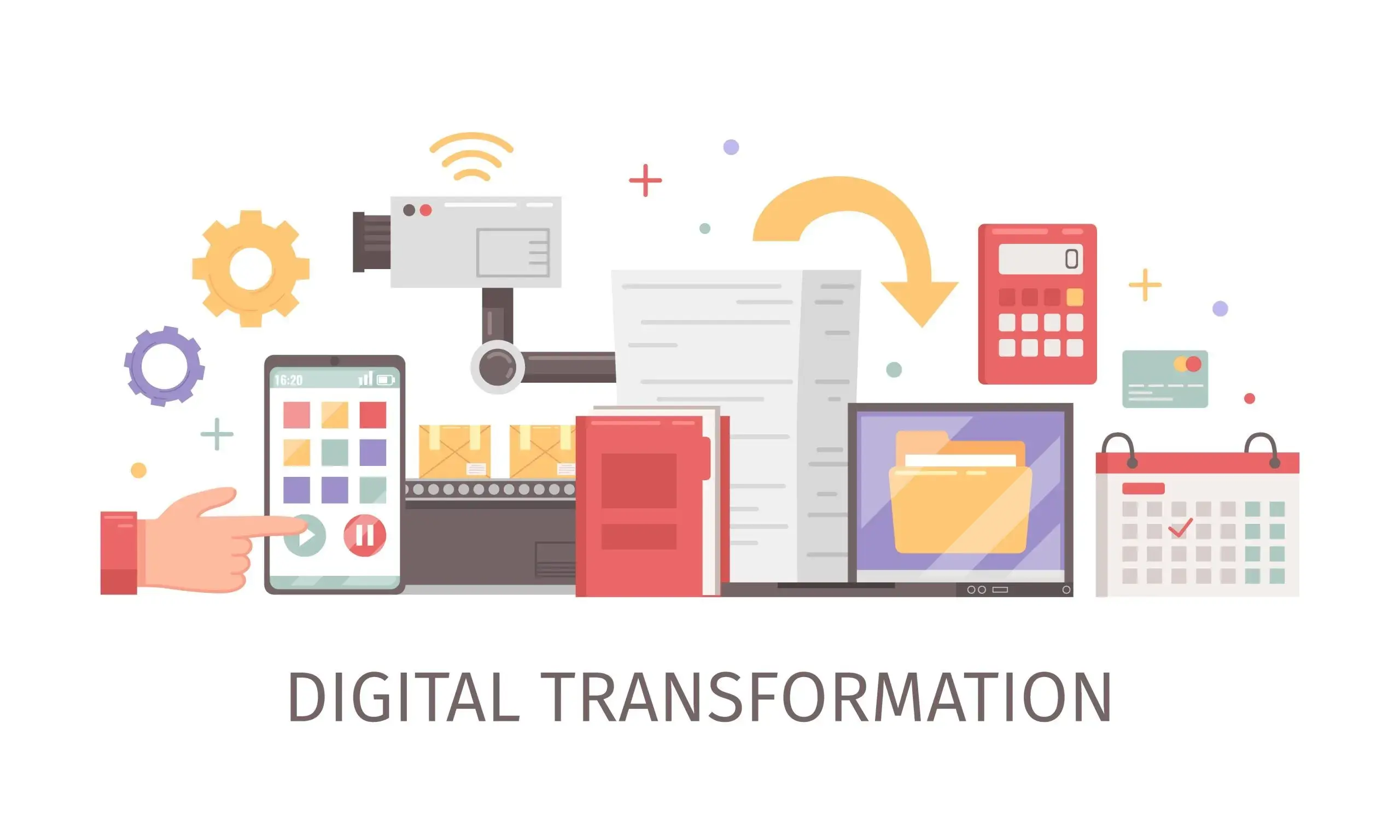
Independent assessment of the business case, readiness, and approach for digital transformation initiatives, with structured recommendations for leadership decision-making.
Technology Roadmapping
Technology Roadmapping

Produce a multi-year technology investment roadmap sequenced by business priority, integration dependencies, and implementation capacity.
IT Strategy Development
IT Strategy Development

Define the technology strategy that supports your business objectives across the planning horizon, covering infrastructure, applications, data, and operating model.
Stakeholder Alignment
Stakeholder Alignment
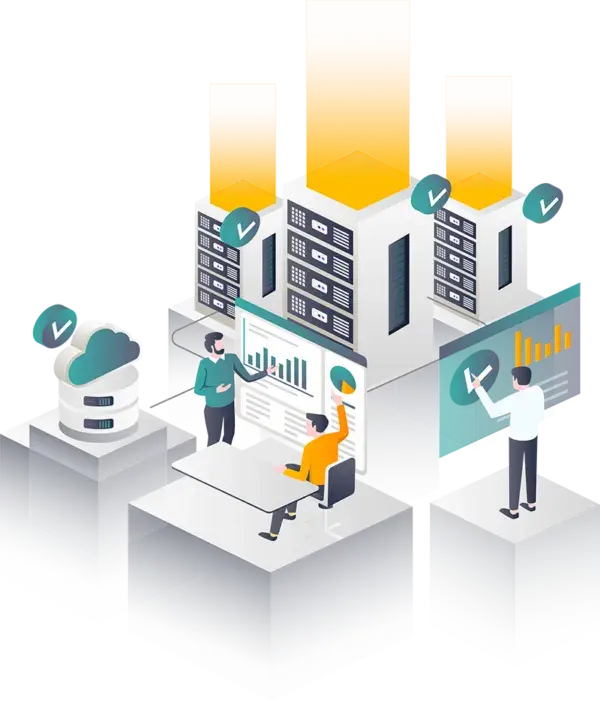
Facilitate structured workshops that bring leadership, IT, and operations perspectives together to agree on priorities and build shared ownership of the transformation plan.
Investment Prioritisation
Investment Prioritisation
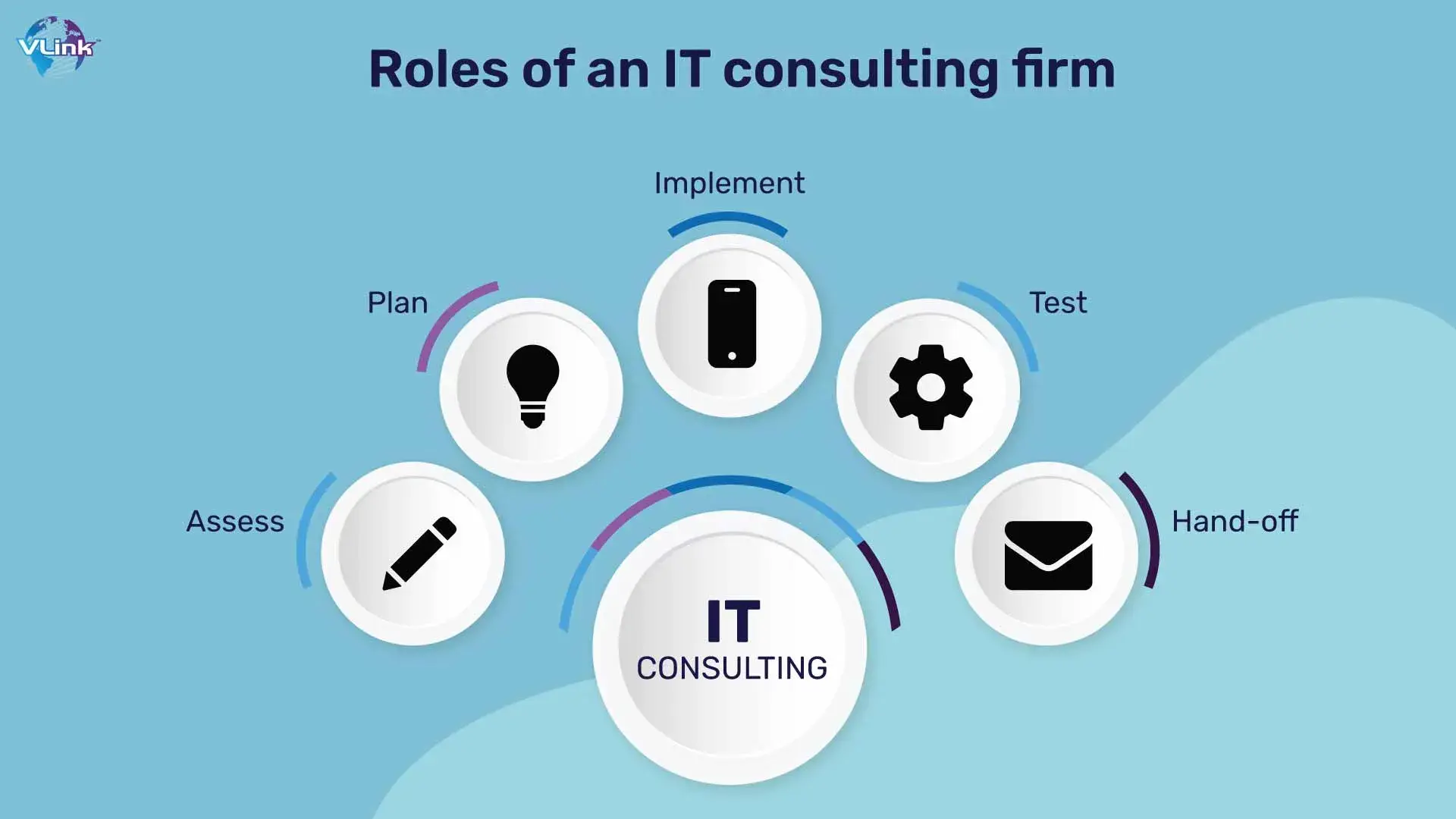
Apply structured frameworks to rank technology investments by business impact, implementation risk, cost, and strategic alignment, producing a defensible prioritisation rationale.
Transformation Programme Governance
Transformation Programme Governance

Design the governance structures, reporting cadences, and decision-making processes that keep a transformation programme on track over a multi-year horizon.
How Businesses Use This
Real-world applications across industries — drag or click the cards to explore.


Technology Roadmap for a Growing Consultancy
A 200-person consultancy needed a five-year technology roadmap covering CRM, document management, and client portal investment. We produced a phased plan sequenced by business priority and integration readiness.
Business Outcomes You Can Expect
Independent Perspective
An independent assessment is not influenced by vendor relationships, internal politics, or sunk cost in previous decisions, producing recommendations based on what is right rather than what is comfortable.
Measurable Progress
Defined success metrics and a governance structure make it possible to assess whether transformation is delivering the intended outcomes and course-correct if it is not.
Realistic Plans That Get Delivered
Recommendations constrained by your actual budget, team capacity, and existing systems are more likely to be delivered than unconstrained ideal-state designs that hit operational reality.
Leadership Alignment Before Commitment
Structured strategy development creates shared understanding and buy-in at leadership level before major technology investments are approved, reducing the risk of direction changes mid-programme.
Sequenced Investment That Builds on Itself
A roadmap that accounts for dependencies means early investments create the foundation for later ones, rather than producing a fragmented set of disconnected tools.
Technology Aligned to Business Goals
A technology strategy built on business objectives ensures that investment is directed at what actually matters rather than what is technically interesting or what a vendor is selling.
Questions Before We Start
A Few Things Clients Usually Ask
Find answers to common questions about Digital Transformation Consulting solutions, setup procedures, scoping timelines, and deliverables.
What is the difference between a technology strategy and a technology roadmap?
A technology strategy defines the principles, objectives, and investment priorities that guide technology decisions over the planning horizon — the why and what. A technology roadmap translates that strategy into a sequenced plan of specific initiatives, timelines, and dependencies — the when and how. Both are needed. A strategy without a roadmap produces good intentions with no delivery path. A roadmap without a strategy produces a to-do list with no coherent direction.
How do you approach a digital transformation engagement?
We start with a current state assessment covering your existing technology, processes, and organisational capability. We then work with stakeholders to define the desired future state and the objectives it needs to achieve. From that gap, we produce a prioritised roadmap. Throughout, we test recommendations against the practical constraints of your budget, team, and existing systems rather than designing for an unconstrained scenario.
How long does a technology roadmap take to produce?
A roadmap for a mid-size organisation typically takes four to six weeks. This includes stakeholder interviews across IT, operations, and leadership, a technology audit, prioritisation workshops, and the written roadmap document with rationale. Simpler scopes can be done in two to three weeks. More complex multi-entity or regulatory environments take longer.
Do you help with implementation, or just advisory?
We provide both. Many clients use us first for strategy and roadmap development, then for implementation of specific initiatives on the roadmap. Delivering both allows us to hold the strategic intent through implementation rather than handing over a document and leaving. Clients also sometimes engage us for implementation oversight when they are using other implementation partners.