Backend Services
aibizmod delivery
Strategy, implementation, launch, and support with one connected technical team.
What This Service Solves
Identifying the hurdles
Mobile apps are only as reliable and capable as their backend infrastructure. APIs without proper authentication expose data to anyone who can inspect network traffic. Push notification delivery rates below 50 percent undermine retention strategies. Payment integrations built on deprecated SDKs break in the middle of checkout flows. Backend systems designed for a hundred users fail under a thousand. These problems are preventable with correct architecture at the build stage.
- API security gaps exposing user data to anyone who can intercept or inspect network requests
- Push notification infrastructure with low delivery rates undermining re-engagement efforts
- Payment integration using outdated SDKs that break with operating system updates
- Backend architecture that cannot scale beyond initial user volumes without significant rework
Our approach & solution
We build the backend infrastructure mobile apps need — REST or GraphQL APIs, authentication systems, push notification services, and payment processing — designed for the security, reliability, and scale requirements of production mobile applications.
- Secure REST or GraphQL API with authentication, rate limiting, and versioning
- Push notification infrastructure covering APNs and FCM delivery with tracking
- Authentication system using industry-standard protocols (JWT, OAuth 2.0, or passwordless)
- Payment processing integration with Stripe or in-app purchase for App Store and Play Store billing
What This Service Includes
Mobile API Development
Mobile API Development

Build RESTful or GraphQL APIs for mobile clients with proper authentication, input validation, error handling, versioning, and documentation for each endpoint.
Push Notification Infrastructure
Push Notification Infrastructure

Set up APNs (iOS) and FCM (Android) push delivery, segmented notification campaigns, delivery tracking, and opt-in management in the app.
Authentication and Identity
Authentication and Identity
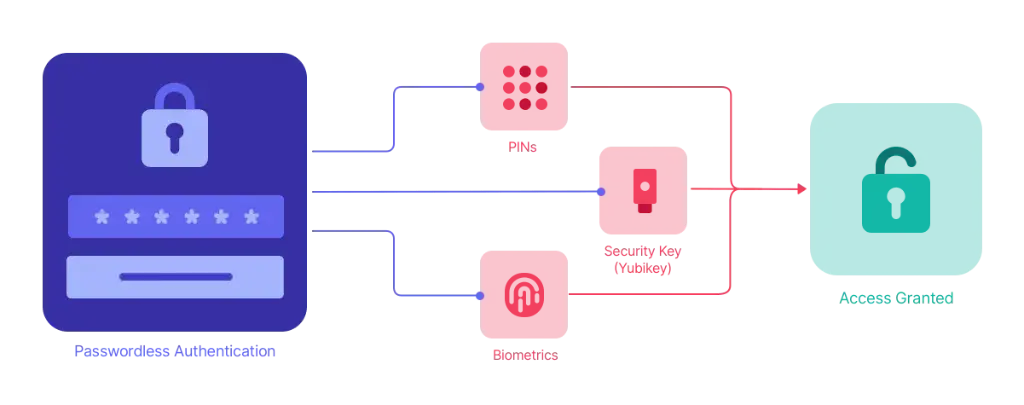
Implement secure authentication using JWT tokens, OAuth 2.0, social login providers, or passwordless authentication — with refresh token rotation and session management.
Payment Integration
Payment Integration

Integrate Stripe for card payments, subscriptions, and marketplace payouts, or configure Apple and Google in-app purchase for digital goods and subscription billing.
Data Architecture for Mobile
Data Architecture for Mobile

Design the database schema, caching layer, and data access patterns for mobile workloads, including pagination, optimistic updates, and conflict resolution for offline sync.
Backend Monitoring and Scaling
Backend Monitoring and Scaling
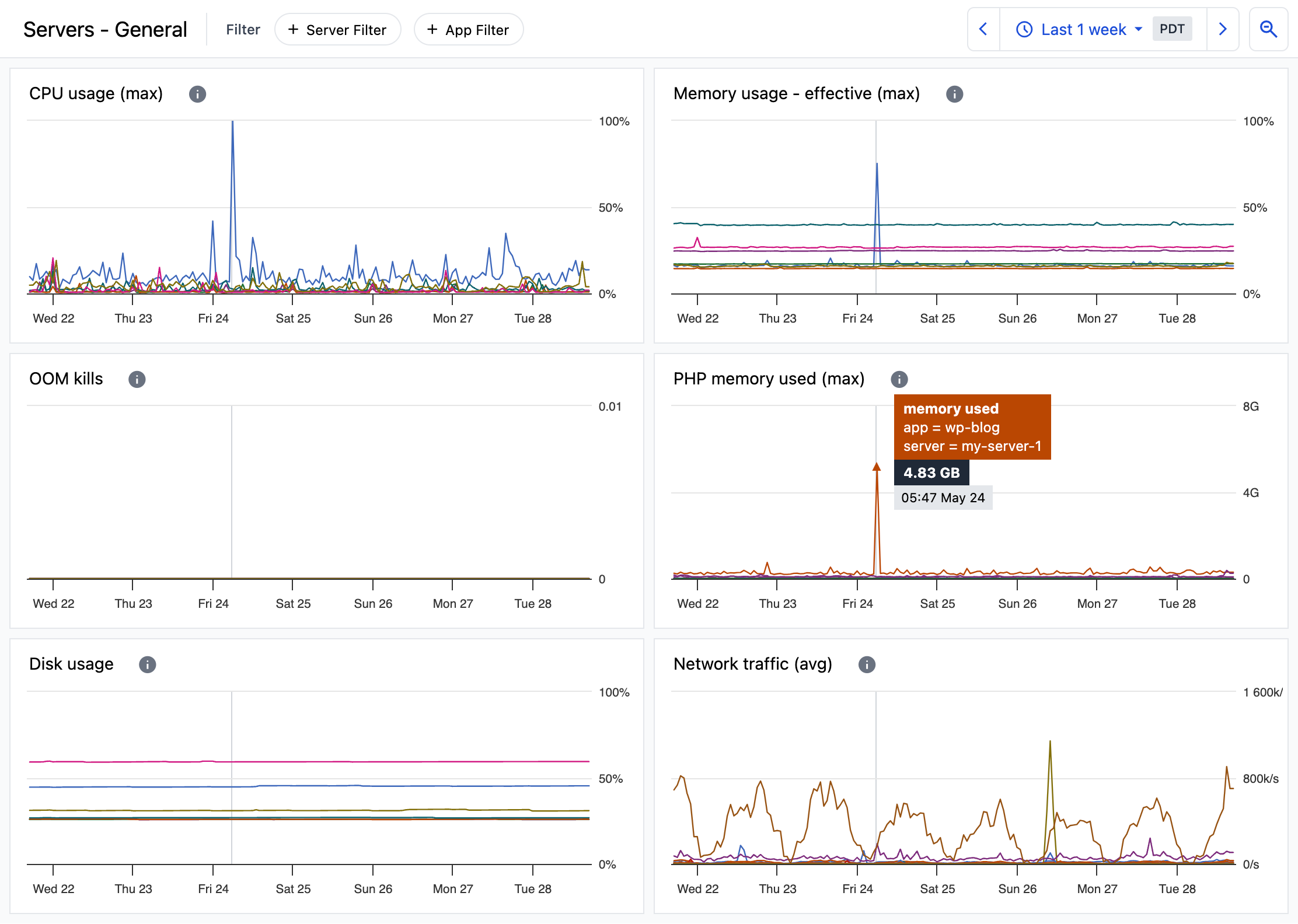
Configure API monitoring, error tracking, and autoscaling so the backend handles usage spikes and failures are detected and alerted before they affect users.
How Businesses Use This
Real-world applications across industries — drag or click the cards to explore.


Mobile Commerce API
A retailer needed a mobile-optimised API for their shopping app, separate from their web API, with response shapes tuned for mobile bandwidth and a caching layer for product catalogue data.
Business Outcomes You Can Expect
Data Layer Designed for Mobile Patterns
Mobile apps have different data access patterns than web applications — shorter, more frequent requests, offline scenarios, optimistic UI updates. Backend designed for these patterns produces a faster, more responsive user experience.
Authentication That Balances Security and UX
Authentication systems designed for mobile — with biometric options, refresh token rotation, and session persistence — provide security without the friction that drives users to stay logged out.
Backend That Scales with the App
An API designed for mobile workload patterns — with pagination, caching, and autoscaling configured — handles user growth without requiring architectural rework at scale.
Payment Flows That Do Not Break
Payment integrations built on current SDKs with proper error handling and server-side validation are reliable across operating system updates and edge cases in the checkout flow.
Push Notifications That Actually Deliver
Properly implemented APNs and FCM integration with device token management and delivery tracking produces significantly higher notification delivery rates than basic implementations.
API Security from the Start
Authentication, rate limiting, and input validation built into the API before it goes to production protects user data and prevents the most common categories of API attack.
Questions Before We Start
A Few Things Clients Usually Ask
Find answers to common questions about Backend Services solutions, setup procedures, scoping timelines, and deliverables.
Should we build our own backend or use a backend-as-a-service platform like Firebase?
Firebase and similar BaaS platforms are a good fit for apps with standard data models and real-time sync requirements where the development cost savings outweigh the vendor dependency and limited customisation. A custom backend is the right choice when you have complex business logic, need deep integration with existing systems, have specific compliance requirements, or will eventually need to move away from per-operation pricing at scale. We assess both options during scoping based on your specific requirements.
How do you implement push notifications that achieve high delivery rates?
The primary causes of low delivery rates are stale device tokens, incorrect APNs certificate or key configuration, sending to unregistered tokens without removing them, and not handling background delivery state correctly on iOS. We implement proper token lifecycle management, configure delivery receipts to detect and remove invalid tokens, and test delivery across app states — foreground, background, and terminated — before launch.
What is the right approach for in-app subscriptions versus payment through our own billing system?
Apps distributed through the App Store and Google Play that sell digital content or subscriptions are required by Apple and Google to use their in-app purchase system, with Apple taking 15 to 30 percent of revenue. For physical goods, services delivered outside the app, or B2B SaaS products, in-app purchase is not required and direct payment via Stripe is more economical. The rules have nuances, and we review your specific product type during scoping to confirm the right approach.
How do you handle API versioning for a mobile app with users on older versions?
Mobile apps cannot force users to update immediately the way web apps can. We implement API versioning from the start so older app versions continue to work after API changes. We maintain old API versions until the percentage of users on affected app versions drops below a threshold, then deprecate with advance notice in app update release notes.