Product Development
aibizmod delivery
Strategy, implementation, launch, and support with one connected technical team.
What This Service Solves
Identifying the hurdles
Product ideas fail in development for predictable reasons: building too much before getting user feedback, building for the ideal end-state rather than the minimum needed to validate the hypothesis, and underestimating the infrastructure work required to make a product production-ready rather than prototype-ready. Founders and product teams need a development partner who can set realistic scope, build quickly, and scale the product as it grows without requiring a full rebuild.
- MVP scope defined too broadly, delaying launch until more can be built rather than validating the core value
- Prototype-quality code that works but cannot handle production traffic or scale
- No authentication, billing, or operational infrastructure because the prototype assumed those would be added later
- Development partner who builds to spec without product input, producing technically correct but commercially wrong solutions
Our approach & solution
We build MVPs and SaaS products that are genuinely production-ready at launch — with authentication, billing, monitoring, and the deployment infrastructure a live product needs. Scope is discussed and challenged during discovery so the first version tests the right hypothesis without unnecessary delay.
- Scoped MVP with clear hypothesis definition so the first version validates what matters most
- Production-ready from launch with authentication, billing, monitoring, and deployment pipeline
- Architecture designed for the product's likely growth path, avoiding the most common rebuild triggers
- Ongoing development relationship for iteration after launch based on user data
What This Service Includes
MVP Development
MVP Development
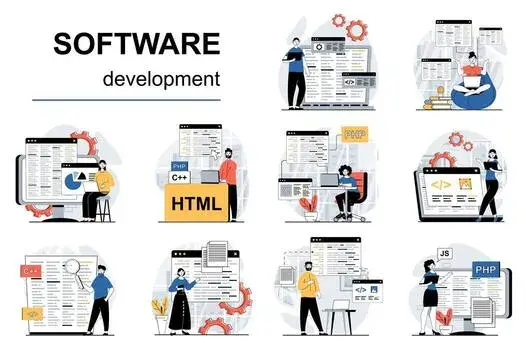
Build the minimum version of your product needed to validate the core hypothesis with real users, scoped to launch quickly without compromising production readiness.
SaaS Product Development
SaaS Product Development
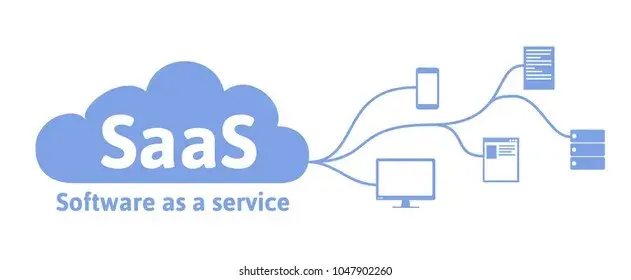
Build subscription software products with multi-tenant architecture, user management, billing integration, and the operational infrastructure required for a commercial SaaS product.
Technical Architecture for Scale
Technical Architecture for Scale
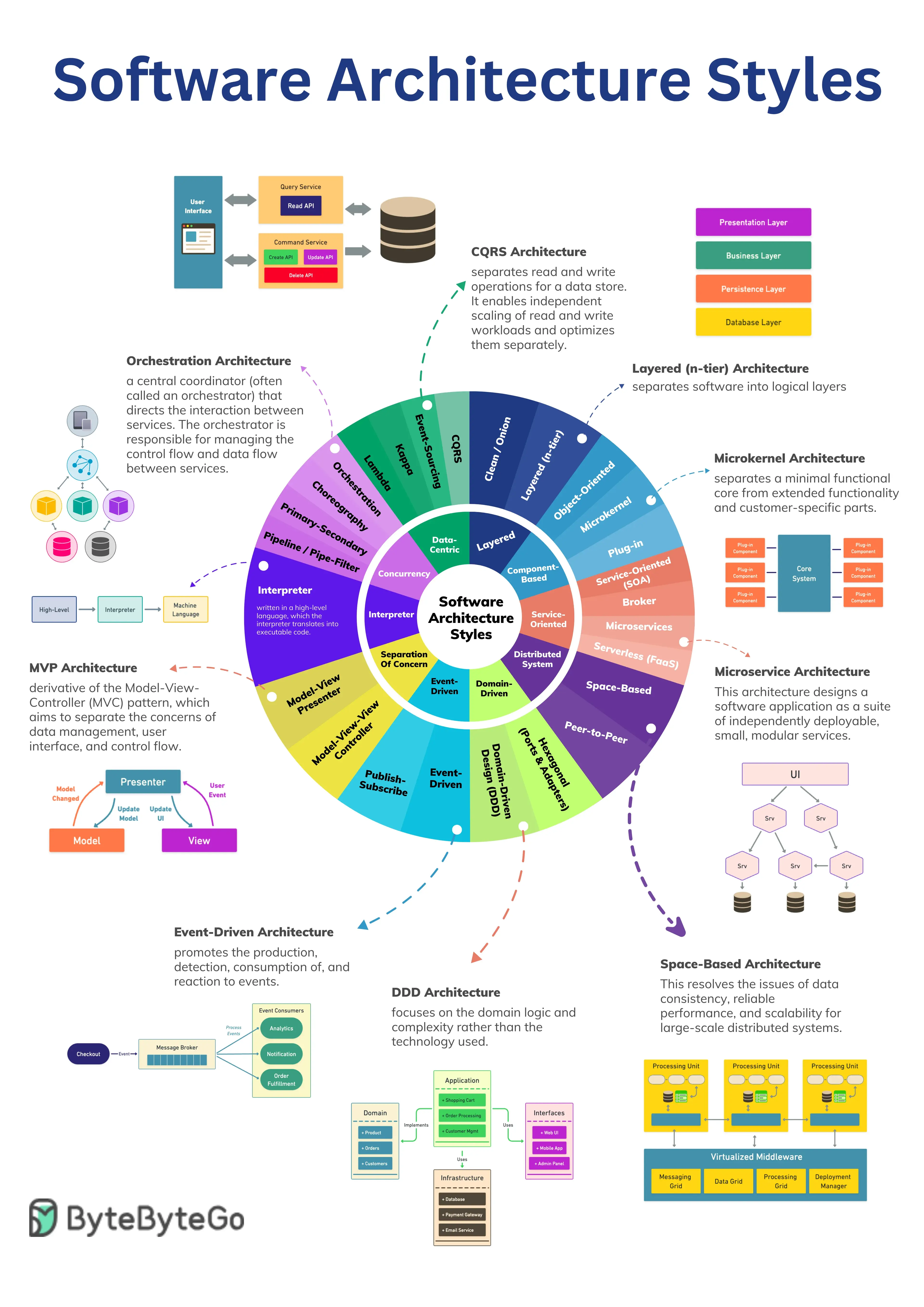
Design product architecture that handles current requirements and the growth trajectory your product is planning for, avoiding the costly rearchitecture that comes from early decisions made without scale in mind.
User Authentication and Access Management
User Authentication and Access Management
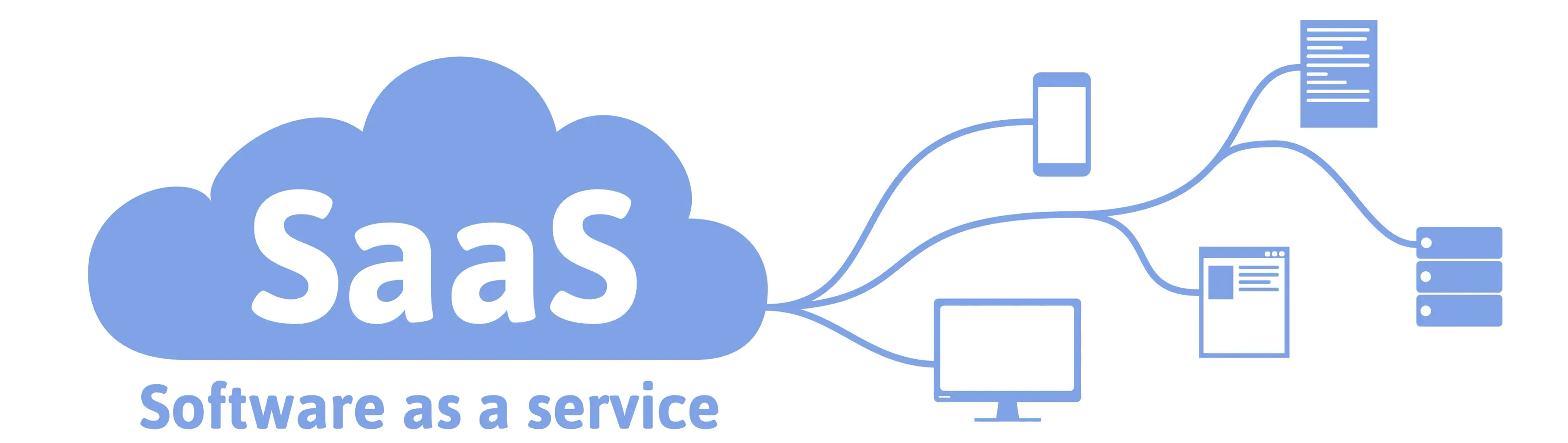
Implement authentication, authorisation, team/organisation management, and role-based access — the infrastructure every SaaS product needs that is rarely just a week
Billing and Subscription Integration
Billing and Subscription Integration
Integrate Stripe for subscription billing, trial management, plan upgrades, and revenue reporting — with webhook handling and the billing management UI your customers need.
Post-Launch Product Iteration
Post-Launch Product Iteration

Ongoing development cycles based on user feedback and analytics data — building the features that usage data shows users need, not the ones assumed during initial design.
How Businesses Use This
Real-world applications across industries — drag or click the cards to explore.


B2B SaaS MVP for a Workforce Management Product
A founder with a validated problem hypothesis needed an MVP built in eight weeks. We scoped the core workflow, built it with production-quality authentication and billing, and launched to the first paying customers on schedule.
Business Outcomes You Can Expect
Development Partnership Beyond Launch
An ongoing relationship with the development team that built the product enables faster iteration, because context about why decisions were made does not need to be re-established with each new feature.
Data to Iterate From
Analytics instrumented at launch produces the retention and usage data needed to make evidence-based decisions about what to build next, rather than relying on assumption about what users need.
Billing Infrastructure Included
Subscription billing, trial management, and upgrade flows require more implementation effort than most founders expect. Including them from the start means the product can collect revenue immediately after launch.
Architecture That Does Not Need Rebuilding at Scale
Product architecture designed for the likely growth path avoids the costly partial rebuild that is common at the point where a product reaches meaningful scale.
Scope Validated Before Build
Working through the hypothesis the MVP needs to test before building it reduces the risk of spending the build budget on features that are not needed to validate the core value.
Production-Ready from Day One
An MVP that is production-ready at launch — with proper authentication, monitoring, and billing — can onboard paying customers immediately rather than requiring further infrastructure work before commercial use.
Questions Before We Start
A Few Things Clients Usually Ask
Find answers to common questions about Product Development solutions, setup procedures, scoping timelines, and deliverables.
How do you define what should and should not be in an MVP?
We work through the core hypothesis — what user behaviour change does this product need to demonstrate to be considered successful? We then scope backward from that hypothesis to the minimum feature set needed to enable it. Features that are clearly needed for commercial success (authentication, billing) are included. Features that expand the use case or improve existing functionality go on the backlog for post-launch iteration.
How long does an MVP typically take to build?
A genuinely production-ready MVP covering a focused use case takes eight to sixteen weeks. Marketplaces, multi-tenant SaaS products, and products requiring regulatory compliance take longer — typically sixteen to twenty-four weeks. These timelines assume clear requirements and available stakeholders for decision-making; unclear requirements or slow feedback extend timelines significantly.
Can you take over development of a product that was started by another team?
Yes, though we start with a technical review of the existing codebase to understand its quality, architecture, and the extent of any technical debt. We share the findings with you before agreeing to take over development, so you understand what you are inheriting and what additional work may be needed before efficient iteration is possible.
Do you provide product management support alongside development?
We provide product input — challenge scope, suggest interaction patterns, flag technical implications of product decisions — but we do not operate as the product manager. The product decisions about what to build and in what priority order are yours. We work best when the client can give us a clear brief and fast feedback, and we contribute the technical perspective to product decisions rather than making them.