Full Stack Development
aibizmod delivery
Strategy, implementation, launch, and support with one connected technical team.
What This Service Solves
Identifying the hurdles
Splitting a web application across separate frontend and backend teams sounds organised until both teams are waiting on each other, the API contract keeps changing, and the deployment process is owned by neither. The coordination overhead often costs more time than having a single team own the whole stack.
- Frontend and backend built by separate teams with mismatched API contracts
- Deployment process nobody fully owns or understands end-to-end
- Inconsistent patterns between layers that make the codebase harder to maintain
- No single source of truth for how all the pieces fit together
Our approach & solution
We build across the full stack with consistent patterns from the database up to the UI, so there's no translation layer between teams and no ambiguity about how data flows through the application. The deployment setup, the documentation, and the handover all cover everything in one package.
- Shared TypeScript types used across frontend and backend
- API contract defined before UI development begins
- Staging and production deployment configured as part of the build
- Single repository or clear monorepo structure with documented conventions
What This Service Includes
React & Next.js Applications
React & Next.js Applications
Full applications built with Next.js covering both the frontend pages and the backend API routes in a single deployable codebase.
Database Design and Integration
Database Design and Integration
Schema design, migrations, and ORM setup so the data layer is consistent with the application logic from day one.
Authentication and Authorisation
Authentication and Authorisation

Login, session management, role-based permissions, and OAuth integration built into the application from the start.
SaaS Product Development
SaaS Product Development
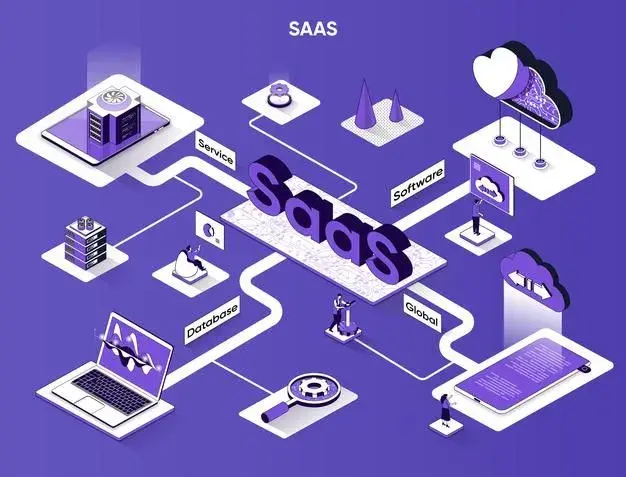
Multi-tenant applications with separate workspaces, subscription management, and plan-based feature access.
API and Webhook Integration
API and Webhook Integration
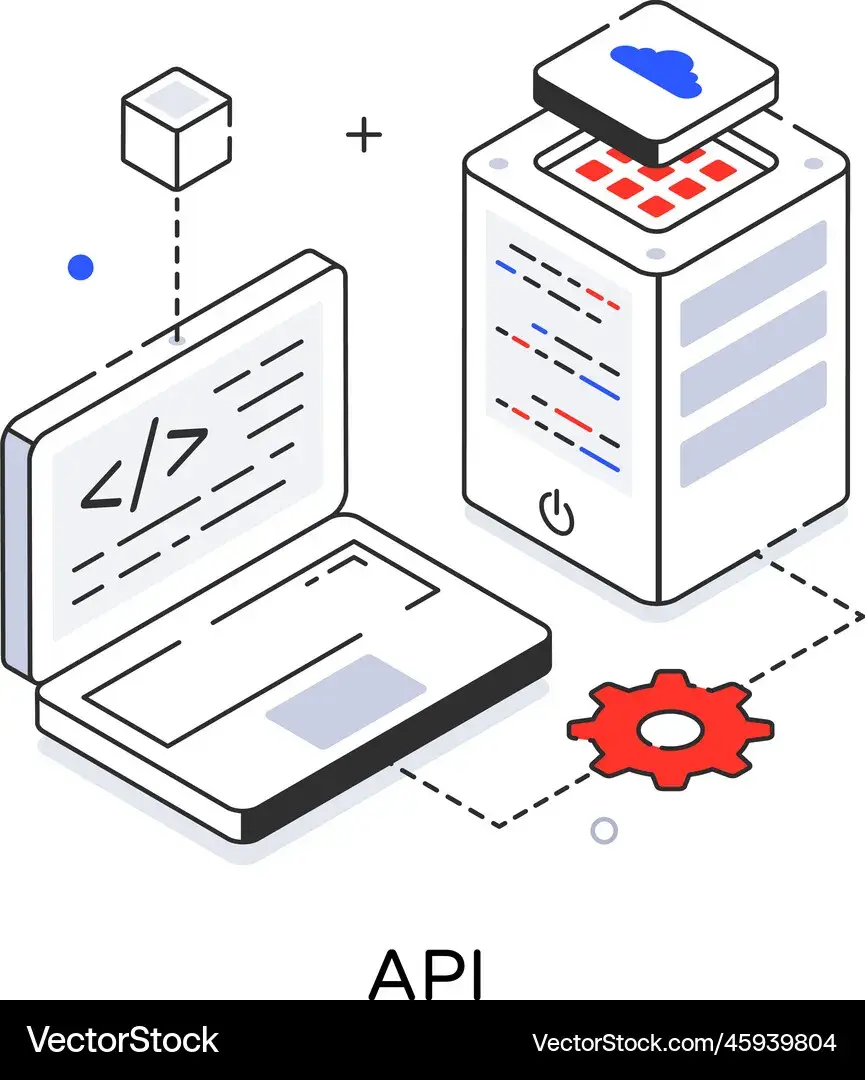
Connections to third-party tools — payment processors, CRMs, communication platforms — wired in with proper error handling.
Deployment and CI/CD
Deployment and CI/CD
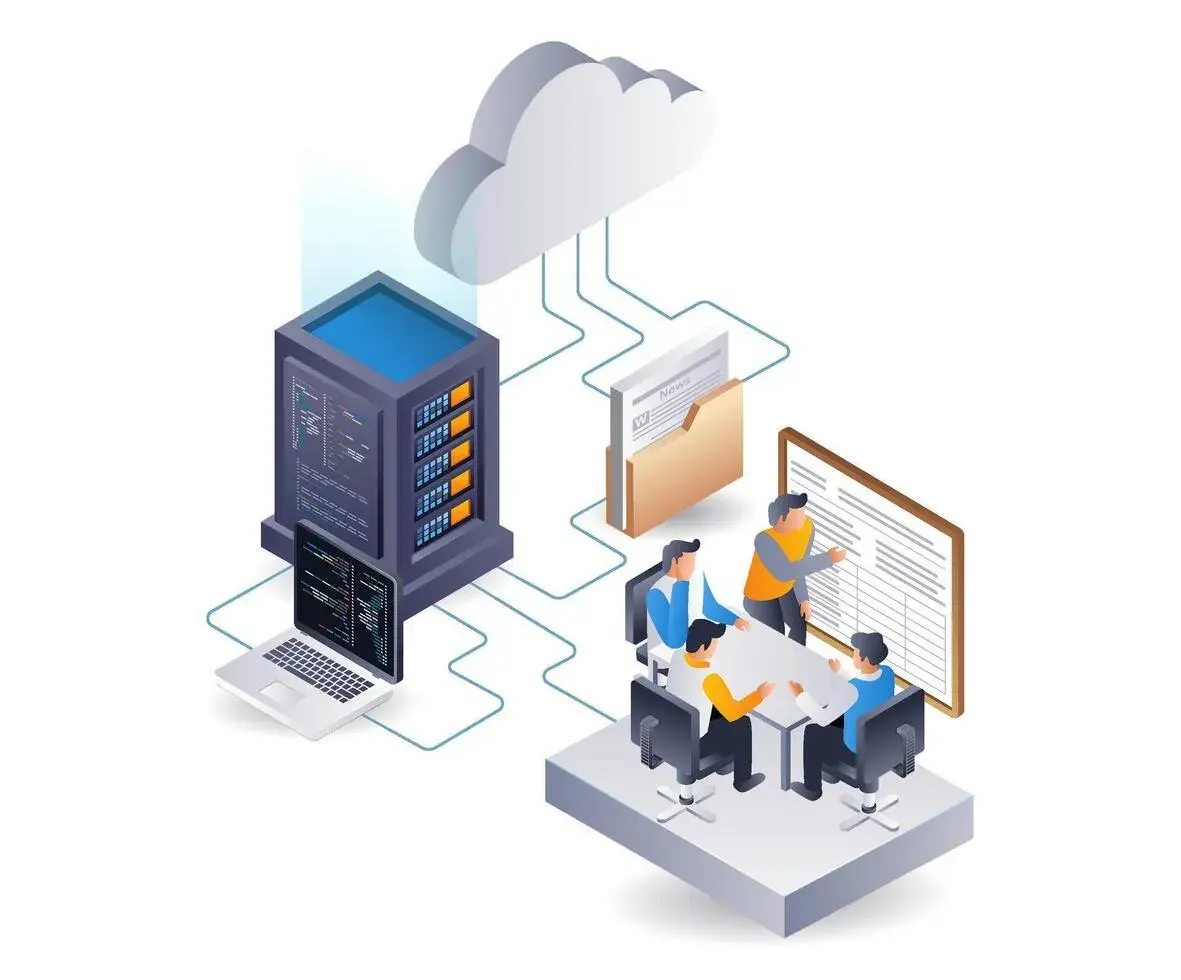
Automated deployment pipelines with staging and production environments, so releases are consistent and rollbacks are straightforward.
How Businesses Use This
Real-world applications across industries — drag or click the cards to explore.


Customer Dashboard with Billing
A multi-tenant SaaS dashboard where each customer sees their own data, manages their subscription, and invites team members — built with Stripe for billing.
Business Outcomes You Can Expect
Codebase You Own
No proprietary framework lock-in. The stack uses widely adopted open-source tools that any competent developer can pick up.
Faster Iteration
Changes that span both the UI and the API get built and tested together, rather than waiting for a backend team to expose a new endpoint before frontend work can start.
Single Handover Package
One repository, one set of docs, one deployment configuration. No separate handover processes for frontend and backend.
Deployment Included
Staging and production deployment are configured as part of the project, not left as an exercise for the client to figure out after handover.
Consistent Patterns Throughout
Shared TypeScript types and conventions across the codebase mean the same patterns repeat predictably, making the code easier to read and extend.
One Team Owns the Whole Stack
No handoffs between frontend and backend teams. The same people who built the API built the UI that consumes it, so inconsistencies get caught early.
Questions Before We Start
A Few Things Clients Usually Ask
Find answers to common questions about Full Stack Development solutions, setup procedures, scoping timelines, and deliverables.
Should we use a separate frontend and backend or a full-stack framework?
It depends on the project. For most web applications Next.js handles both well and keeps things simple. For products that need a separate mobile app consuming the same API, or where the backend is significantly more complex than the frontend, a separate API server makes more sense. We discuss this during scoping.
How do you handle database changes after the application is live?
We set up database migration tooling from the start so schema changes are applied in a controlled, reversible way. Migrations are versioned in the repository alongside the application code.
What does the handover package include?
The repository, a README covering the architecture and development setup, documented environment variables, the deployment configuration, and a walkthrough of how the main application flows work. We run through this together rather than just sending a zip file.
Do you offer ongoing support after the project is delivered?
Yes. We offer a support period after launch to handle any issues that appear in production, and ongoing retainer arrangements for teams that want regular development support beyond the initial build.